
3D Printing of Next-Generation Steels for Nuclear Systems
University of Bath: Duyao Zhang (PI)
University of Bristol: Xingzhong Liang
Cardiff University: Xiao Guo
University of Exeter: Yaan Liu
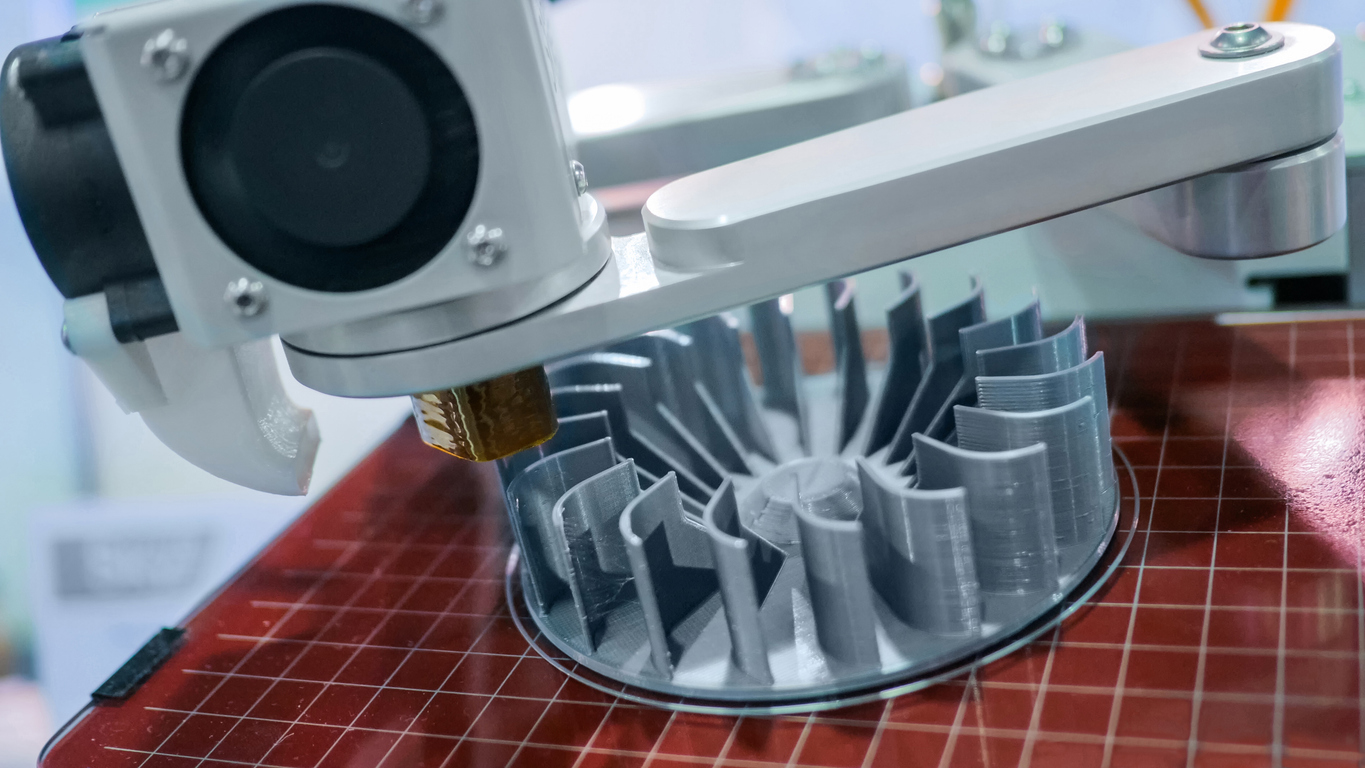
Nuclear power plants rely on materials that must endure extreme heat, radiation, and long lifespans, but these degrade over time, making maintenance costly and disruptive. Additive manufacturing or AM (also known as 3D printing) offers transformative potential for the nuclear energy sector, enabling rapid fabrication of complex geometries, reduced material waste, and crucially the ability to repair damaged or ageing components directly on site, significantly reducing outage time. However, due to the extreme conditions present in nuclear environments, there are significant challenges for materials, and current AM alloys show limitations in creep resistance, microstructural stability, and defect tolerance, preventing their qualification for use in safety-critical applications.
This GW4 collaboration brings together unique interdisciplinary capability across metallurgy, mechanics, irradiation effects, and computational optimisation to address this complex challenge, which has significant bearing on the UK’s net-zero strategy.
Project activities include:
- a workshop in Bath to align research goals and map capabilities;
- a cross-institutional sample exchange programme and pilot experiments to generate early data linking AM microstructure, creep behaviour, and radiation tolerance;
- a two-day modelling sprint hosted by Cardiff to produce AI-enhanced modelling & a digital framework, integrating experimental data into a predictive modelling environment;
- a grant writing retreat and publication development event.
External partners to be approached as part of the project include UKAEA, Rolls-Royce SMR, and the Nuclear AMRC.