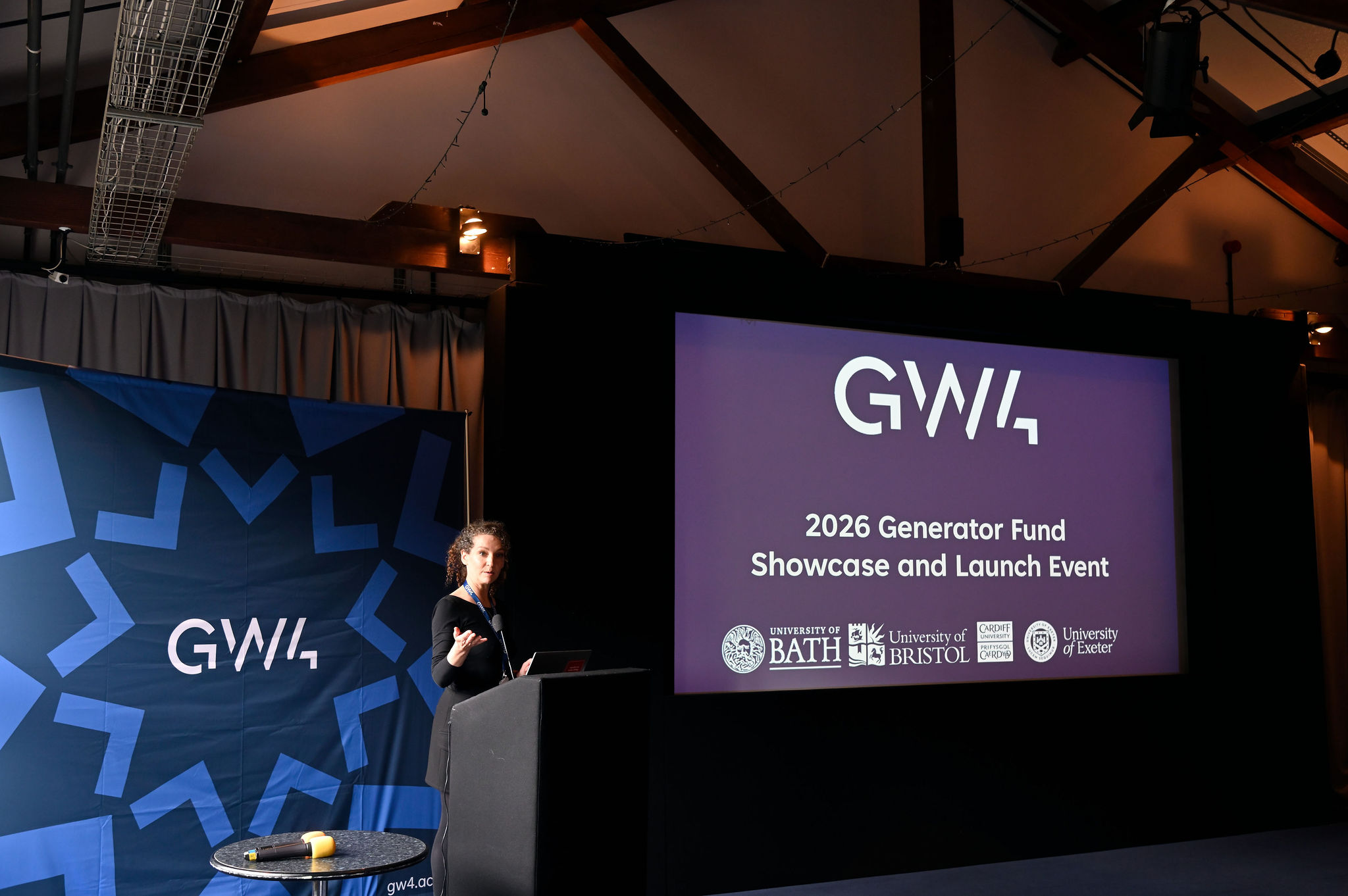
The latest cohort of GW4 research and innovation communities was officially launched at the 2026 GW4 Generator Showcase and Launch Event, held on Thursday 21st May at the Watershed in Bristol, bringing together researchers from across the GW4 Alliance of Bath, Bristol, Cardiff and Exeter universities.
The event celebrated both the launch of this year’s newly funded GW4 Generator communities and the achievements of previous cohorts, highlighting the continued impact of cross-institutional and interdisciplinary collaboration in addressing major societal and global challenges.
Funded through the GW4 Building Communities Generator Fund, providing up to £20,000 to support six-month collaborative projects, the new communities will bring together interdisciplinary teams from across the four universities, alongside external partners, to develop innovative research ideas and build new networks.
This year’s successful research and innovation communities are:
- 3D Printing of Next-Generation Steels for Nuclear Systems (PI: Dr Duyao Zhang, Bath)
- GW4 UTI-AMR Network (Joint PIs: Dr Leigh Sanyaolu & Prof David Williams, Cardiff)
- Children’s Outdoor Active Play Research Network (PI: Dr Lydia Collison, Bristol)
- PaWS Framework: Building a Cross-GW4 Research Community towards developing a framework for Parental Wellbeing Support for parents of children with Additional Needs (PI: Dr Faith Martin, Bath)
- GW4 Quantum Interchange (PI: Dr Alex Davis, Bath)
- GW4 LEGACY Network (Lymph nodE single cell Genomics AnCestrY) (PI: Dr Lucy Jones, Cardiff)
These six communities join a growing portfolio of GW4-supported collaborations. To date, the programme has enabled over 100 research communities to form, collectively generating over £89 million in external funding and demonstrating the value of investing in early-stage, collaborative research. Overall, for every £1 that the GW4 Alliance funds through these communities, £25 has been captured in external research awards.
Showcasing new ideas and building connections
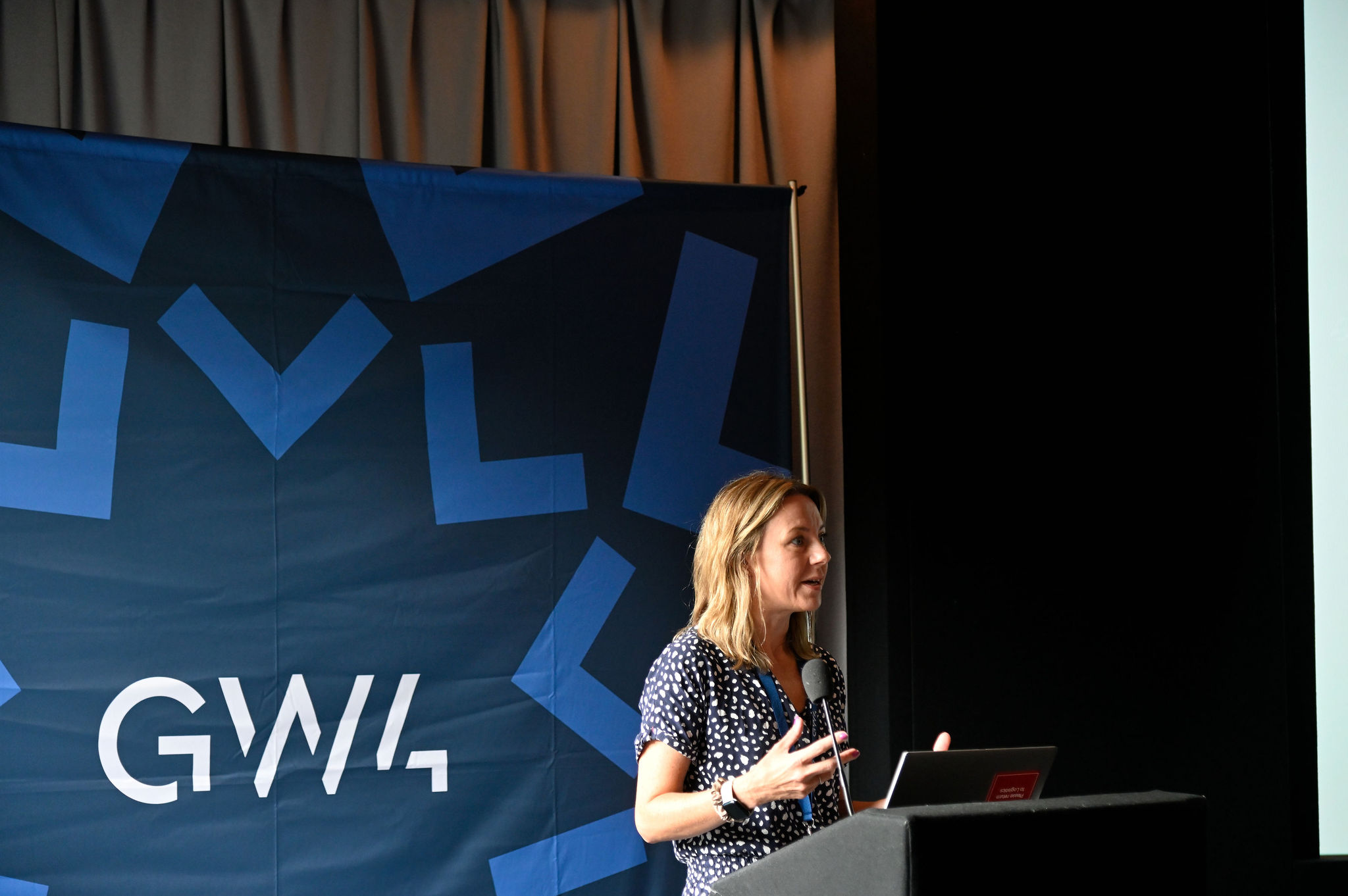
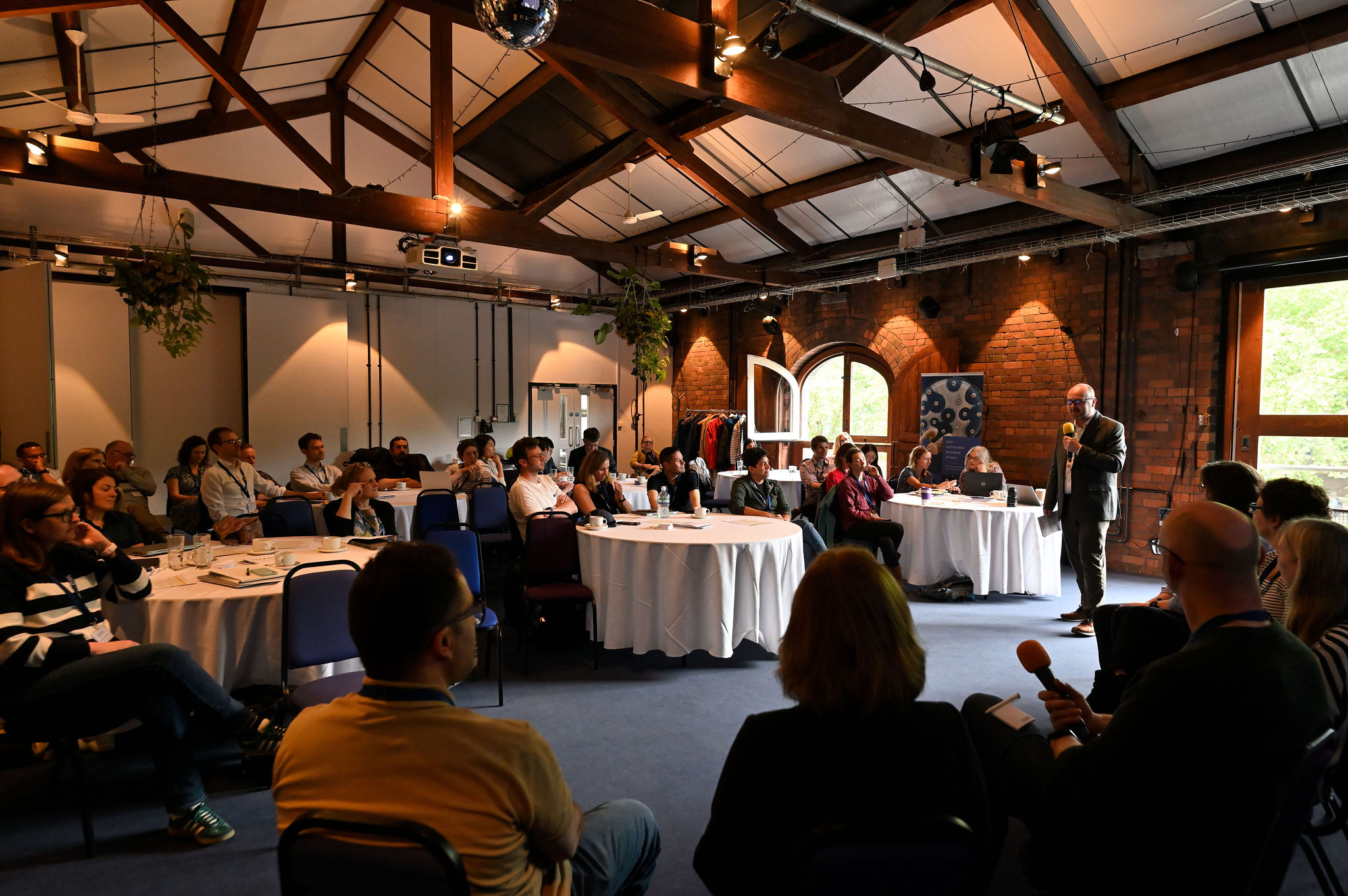
At the showcase, each of the new communities delivered a short presentation introducing their research focus and outlining their ambitions for the coming months. Reflecting the breadth of expertise across the GW4 Alliance, this year’s cohort spans a diverse range of research areas, united by a commitment to tackling complex challenges through interdisciplinary collaboration.
Dr Lydia Collison at the University of Bristol and Principal Investigator (PI) of Children's Outdoor Active Play Research Network said: "The GW4 Generator Fund provides a fantastic opportunity to physically bring together researchers from different institutions to develop research collaborations. Our network is focussed on children's active outdoor play, which is an inherently cross-disciplinary issue. By bringing together academics from physical activity, public health, geography, psychology, sociology and law we have a chance to develop meaningful interdisciplinary research ideas. We are particularly excited about the timeliness of this funding given the policy focus on children's play in the last year, and hope that more collaborative working going forward will facilitate evidence being translated into practice across England."
The event also shone a spotlight on the successes of previously funded communities, with researchers sharing insights into their progress, lessons learned, and the ways in which GW4 Generator funding has enabled and supported the development of larger-scale research programmes and partnerships.
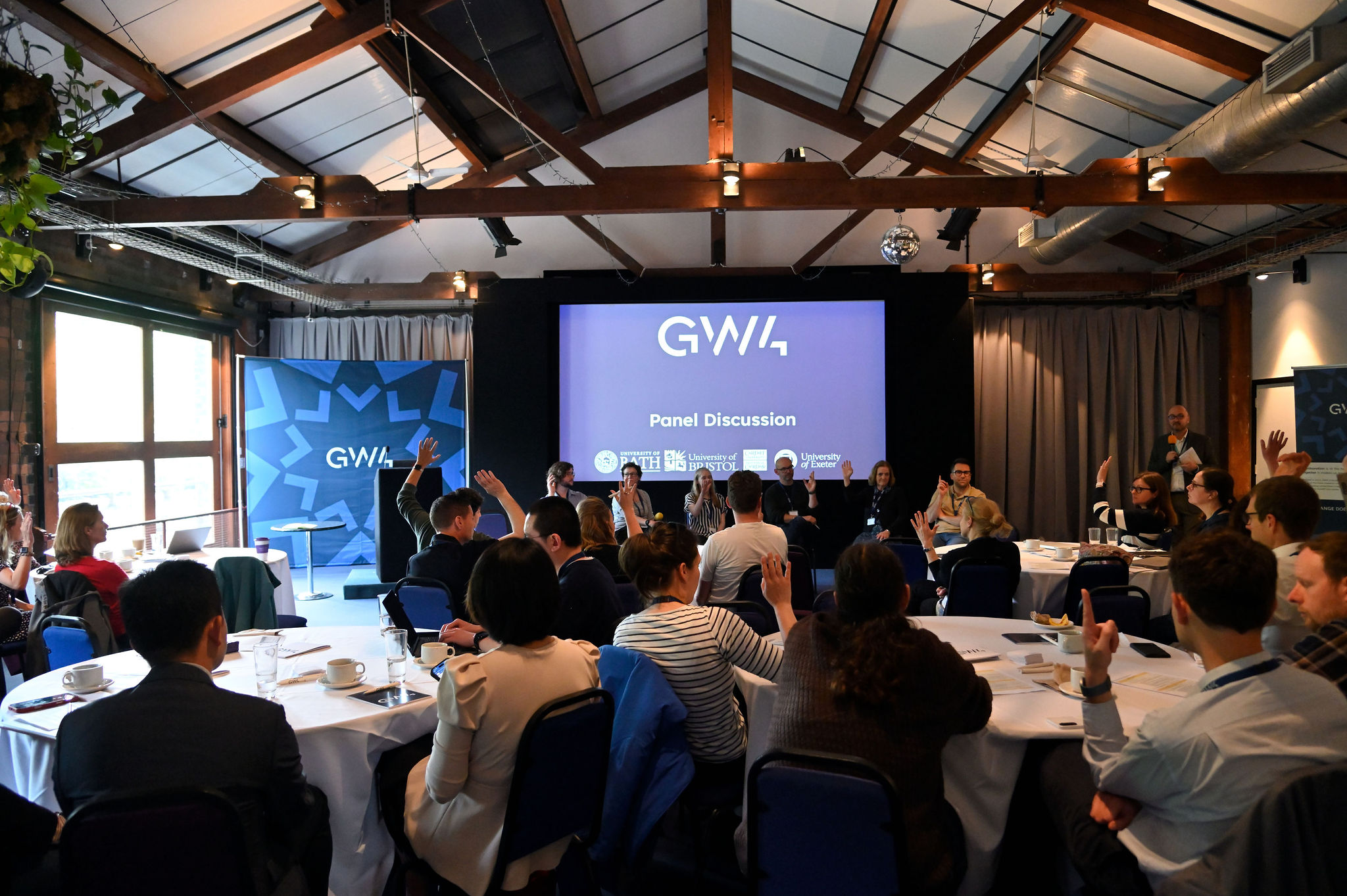
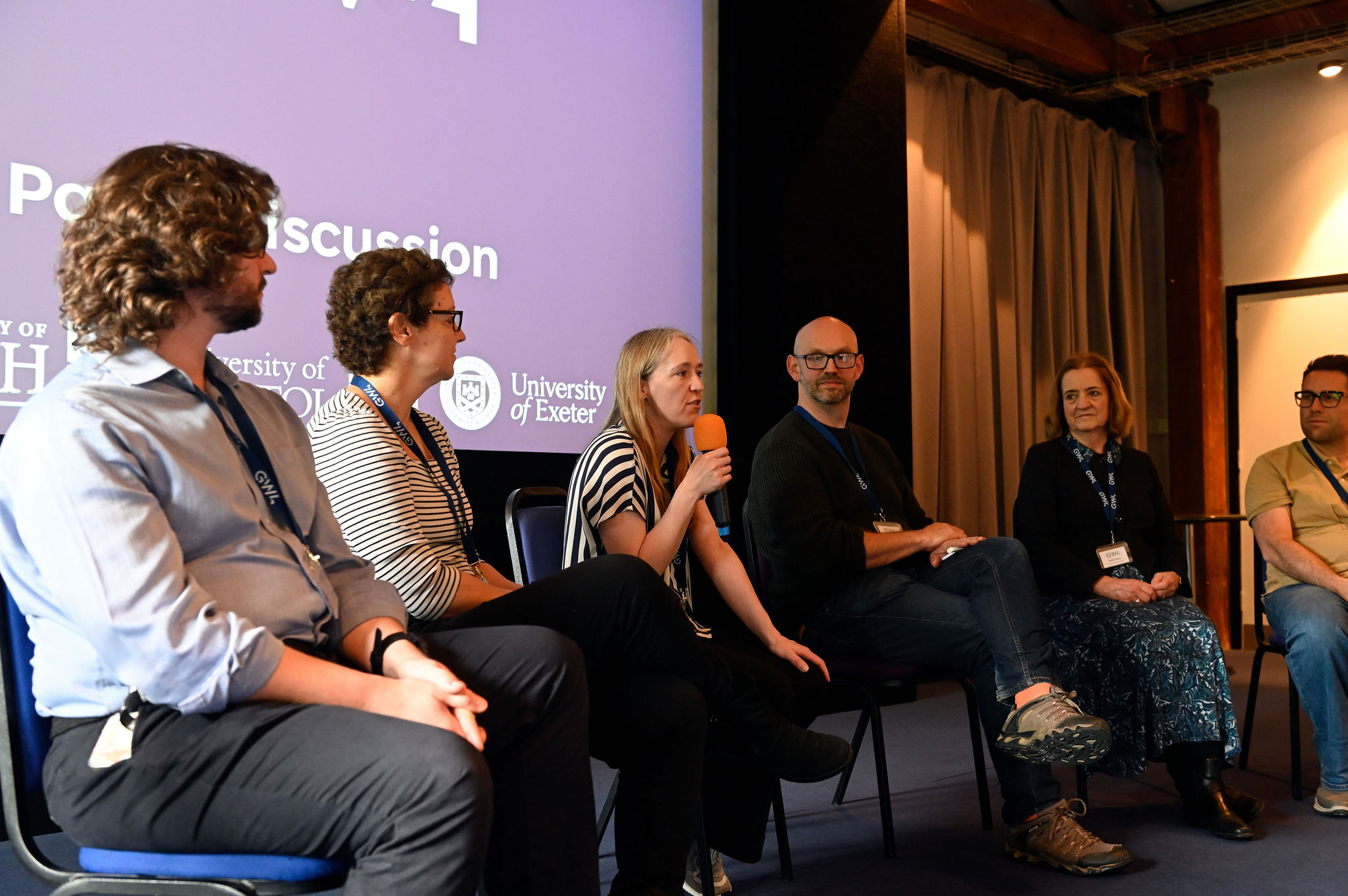
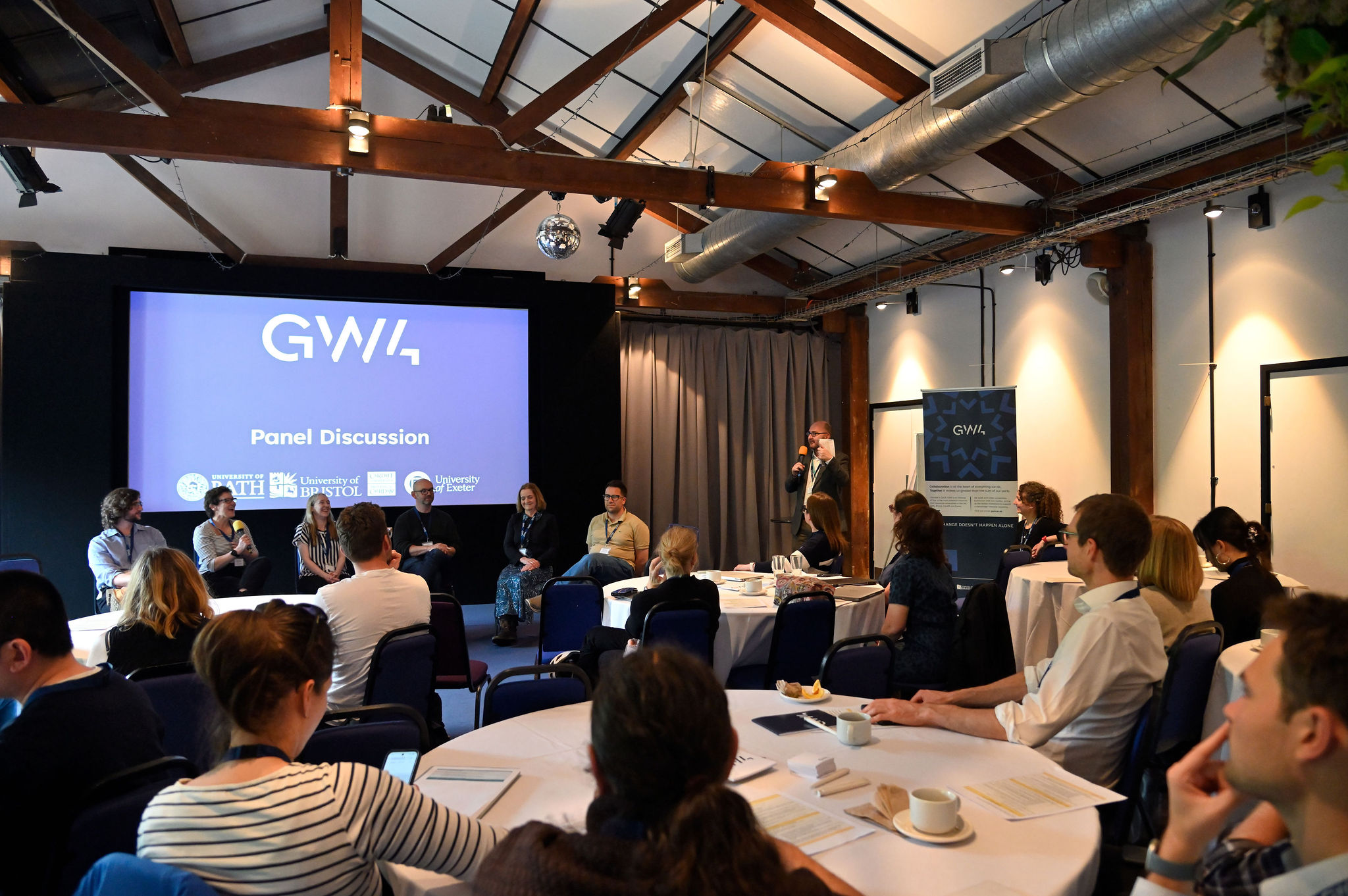
A panel discussion hosted by Professor Roger Whitaker (Pro Vice-Chancellor, Research, Innovation and Enterprise for Cardiff University and Chair of the GW4 Board) and featuring Principal Investigators from earlier cohorts offered practical advice to the newly funded communities, covering topics such as building effective collaborations, engaging stakeholders, and leveraging initial funding to secure further external investment.
Professor Roger Whitaker said: “The quality and ambition of applications to this year’s GW4 Generator Fund reflects the excellence strength of collaborative thinking across our universities. What is particularly encouraging is the way these projects bring together different disciplines and partners, recognising that the most pressing and complex global and societal challenges demand a genuinely cross-institutional, cross-sector approach.
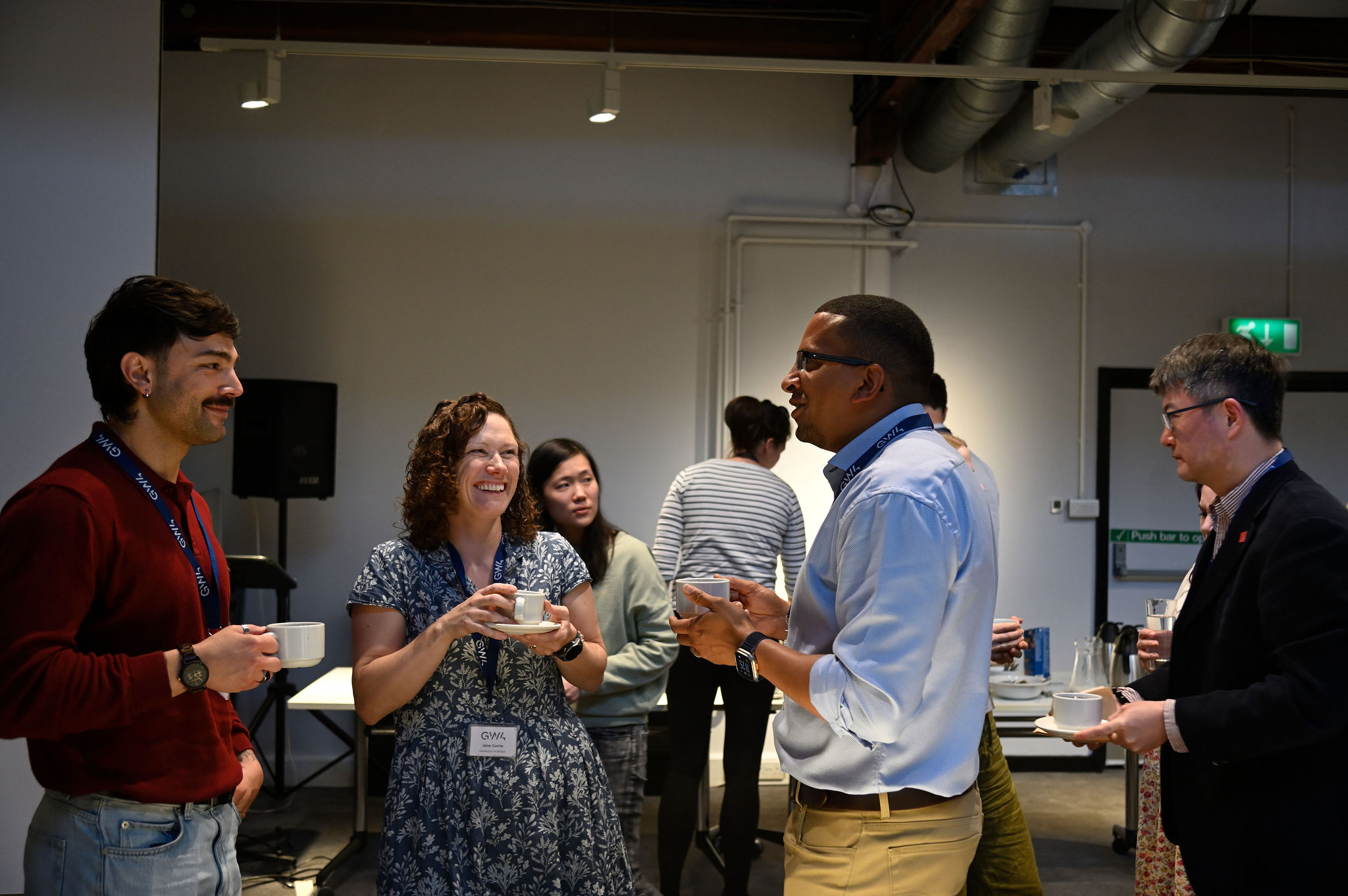
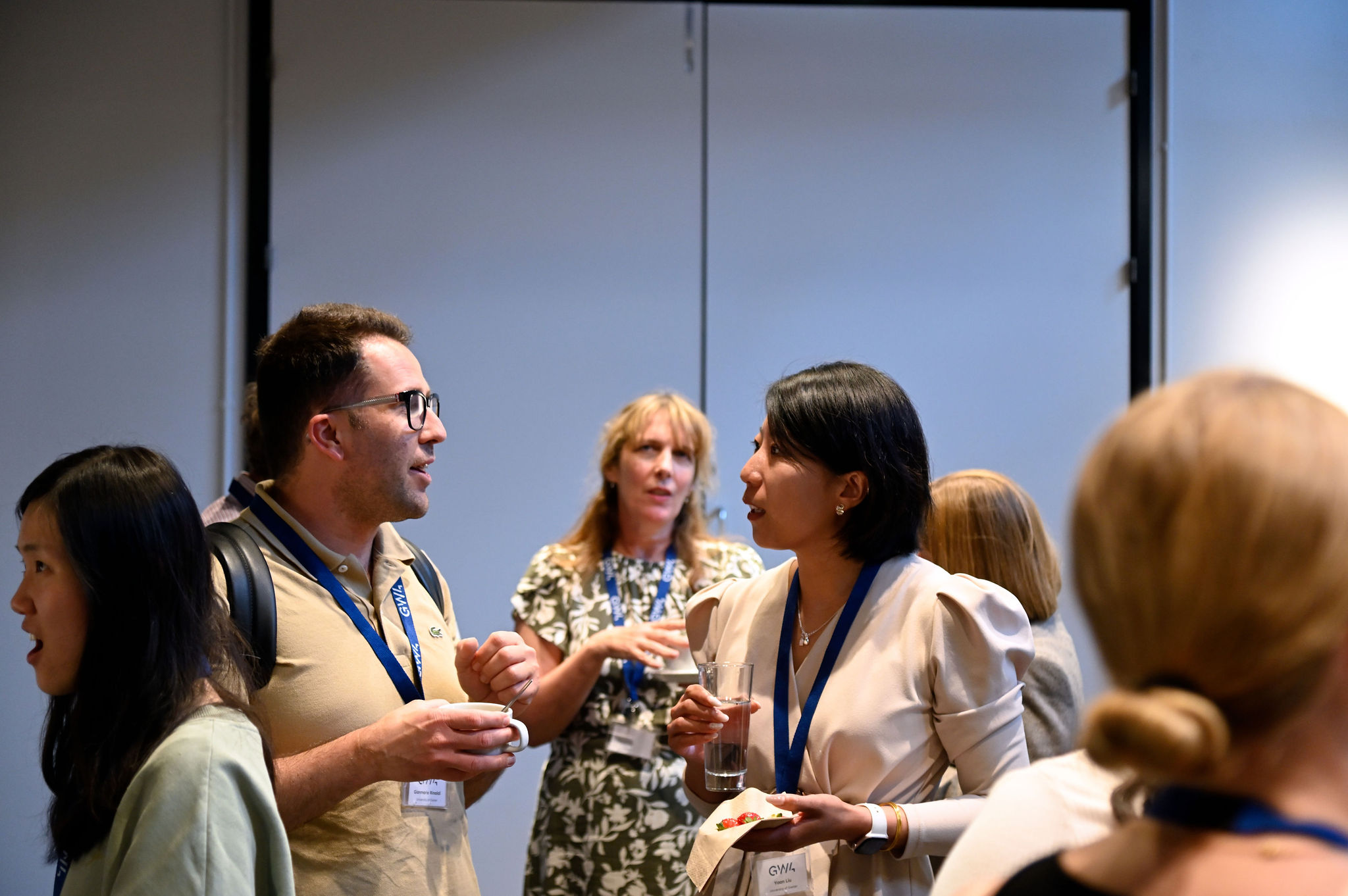
"It has also been inspiring to see the energy at this year’s showcase, with opportunities to hear from both established and emerging communities. Bringing these groups together not only highlights the impact already being delivered, but also sparks new ideas and connections that will shape the future of research and innovation across GW4.”
By providing seed funding and a supportive framework, GW4 Alliance enables researchers to explore new ideas, form strategic partnerships, and develop proposals that can attract significant external funding and deliver real-world impact.