
GW4 Crucible Cohorts

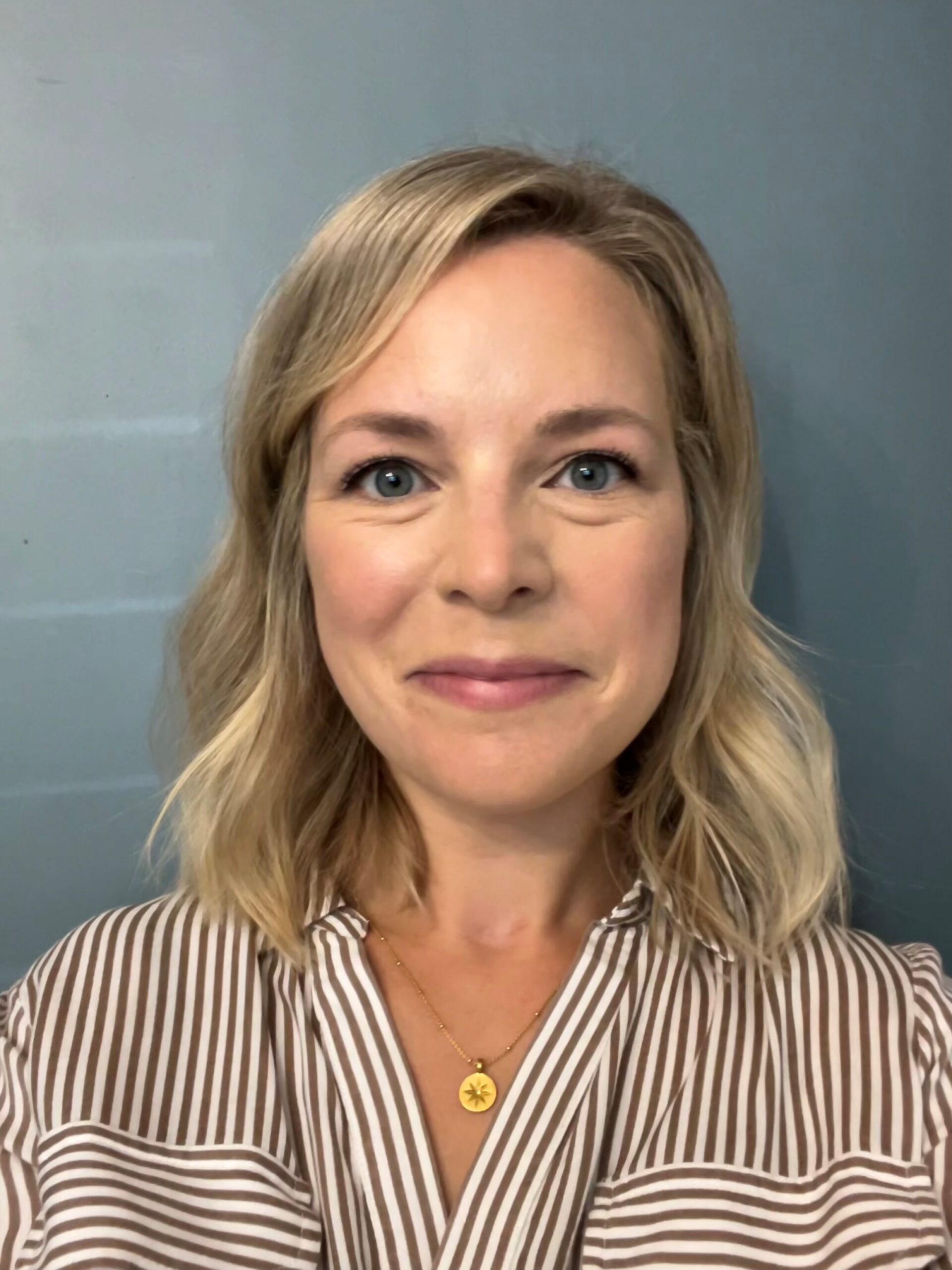
Lucy Anderson is an NIHR Transdisciplinary Research Fellow in Public Health at the University of Bristol. She originally trained as a biological scientist and completed her PhD at the University of Leeds, where her research focused on managing the spread of wildlife diseases through biosecurity and behaviour change. Since then, she has developed a research career spanning environmental science, social research and public health.
Lucy’s current research sits at the interface of environment and public health focusing on how actions to address climate change and improve air pollution can deliver co-benefits for population health and health equity, and inform policy and practice. Before returning to academia, she spent ten years in research and impact roles in the environmental NGO sector, leading interdisciplinary research and partnerships with government agencies, local authorities and academic institutions. She is also the UKRI Clean Air Champion for South West England, supporting regional collaboration on air quality and health.
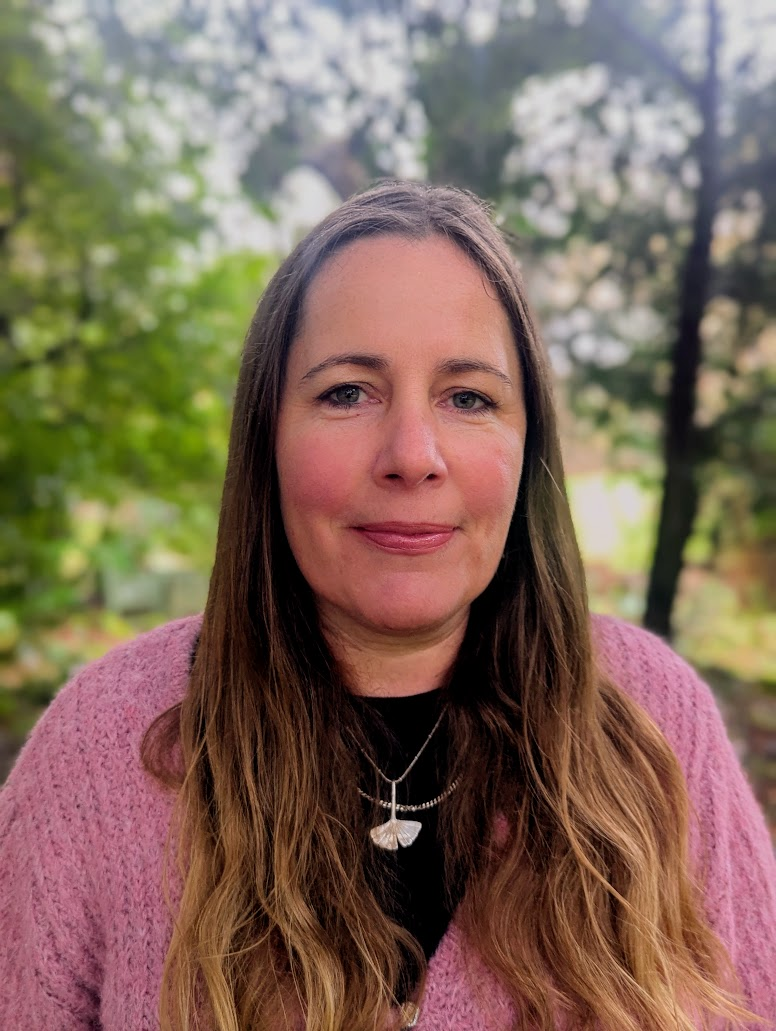
Katherine is a Research Associate in the Department of Architecture and Civil Engineering at the University of Bath. She is an experienced researcher with a strong background in geography, spatial data analysis, and interdisciplinary research, having worked across both academic and industry settings on several large-scale collaborative projects.
Currently, Katherine is a member of the PARCS (Participatory Approaches for Regenerative Climate Solutions) research project, an international, interdisciplinary initiative that co-designs regenerative and resilient solutions for vulnerable communities. Her role focuses on mapping, understanding, and anticipating community exposure to current and future climate-related hazards. This involves close collaboration with social scientists, anthropologists, engineers, architects, and local communities to develop actionable strategies to address these challenges.
Prior to joining the University of Bath, Katherine was a Research Fellow at Northumbria University, where she developed innovative, participatory approaches to explore the spatial and temporal dimensions of exposure to landslide and earthquake hazards in Nepal.
Her research interests focus on dynamic and participatory approaches to modelling and understanding hazard and risk across spatial and temporal scales that are both meaningful and actionable, ensuring that this knowledge is accessible and useful for informed decision-making.
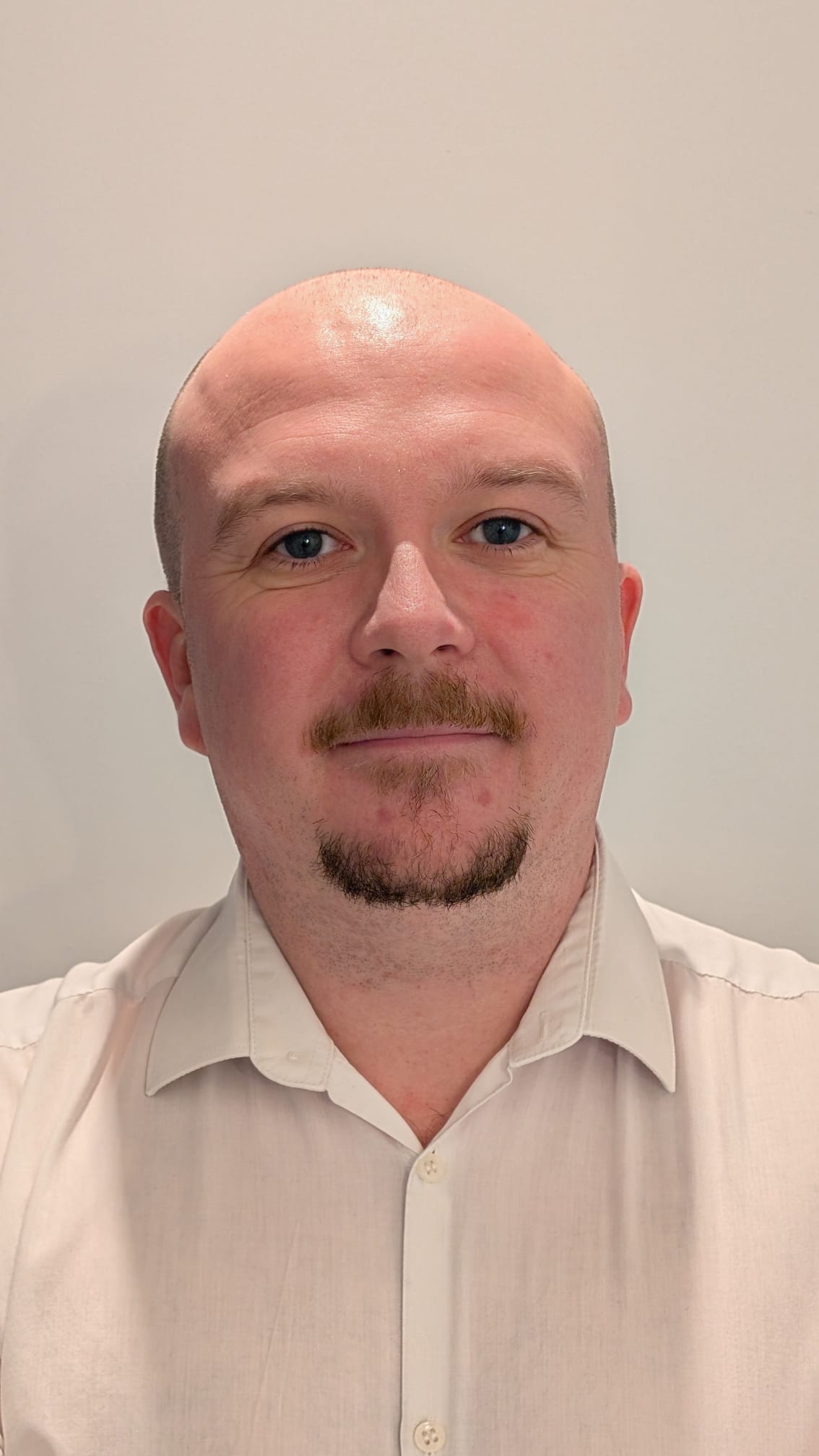
Aidan completed his PhD at the University of Edinburgh in 2021 and now works as a lecturer in International Development at the University of Bath since 2022. His research focuses on the political economy of the extractives sector in Sub-Saharan Africa through a temporal lens. In particular, he focuses on the hydrocarbon sector in East Africa, and the battery metals sector in Southern Africa. His work is largely interdisciplinary in scope, primarily drawing upon political geography and political economy approaches. His work has won awards at the Journal of Southern African Studies, and has published in top African Studies, International Development, and Geography journals. He is currently a Leverhulme Early Career Fellow at the University of Bath, exploring the temporal political economy of extraction in critical minerals in Southern Africa, in particular, Zambia.

Rachel obtained her MA degree in political science at San Diego State University and went on to complete a PhD in International Public Health Policy at the University of Edinburgh after three years conducting research on cannabis regulation and the nascent cannabis industry at the University of California, San Francisco. She is now working as a Research Fellow within the Centre for 21st Century Public Health at the University of Bath. Her most current research is exploring how policymakers understand conflicts of interest in climate policymaking and the challenges and opportunities for achieving policy coherence in cannabis governance. She is particularly interested in understanding how policymakers can develop innovative approaches to regulating potentially harmful industries in ways that prioritise human and planetary health over private profit.
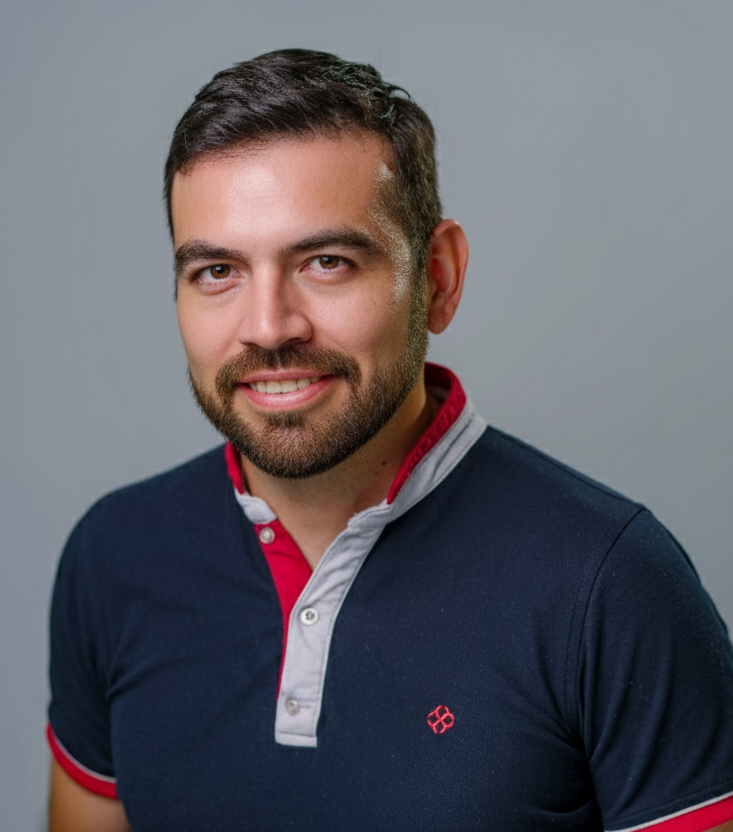
Diego Bermudez is an impact-driven researcher based at the University of Exeter as the Research and Impact Fellow for the UKRI-funded DICE Network+. He holds over a decade of experience in high-level operational and financial risk management from the Mexican Central Bank, combined with pioneering work at the Ellen MacArthur Foundation where he developed an AI-enabled circular economy market signal and strategic frameworks for sustainable business models and financial instruments.
His current work focuses on decoupling economic prosperity from environmental stewardship by developing a digitally enabled circular economy vision and roadmap. His research investigates how AI and data analytics can create circular supply chains and inform novel business models and financial instruments. This approach is underpinned by a commitment to systems-thinking and equitable change, using cross-disciplinary collaboration to ensure a just and sustainable global circular transition. He holds a PhD in Digital Business Systems Resilience from Cardiff University and a dual MEng in Systems Engineering & MBA from Cornell University.
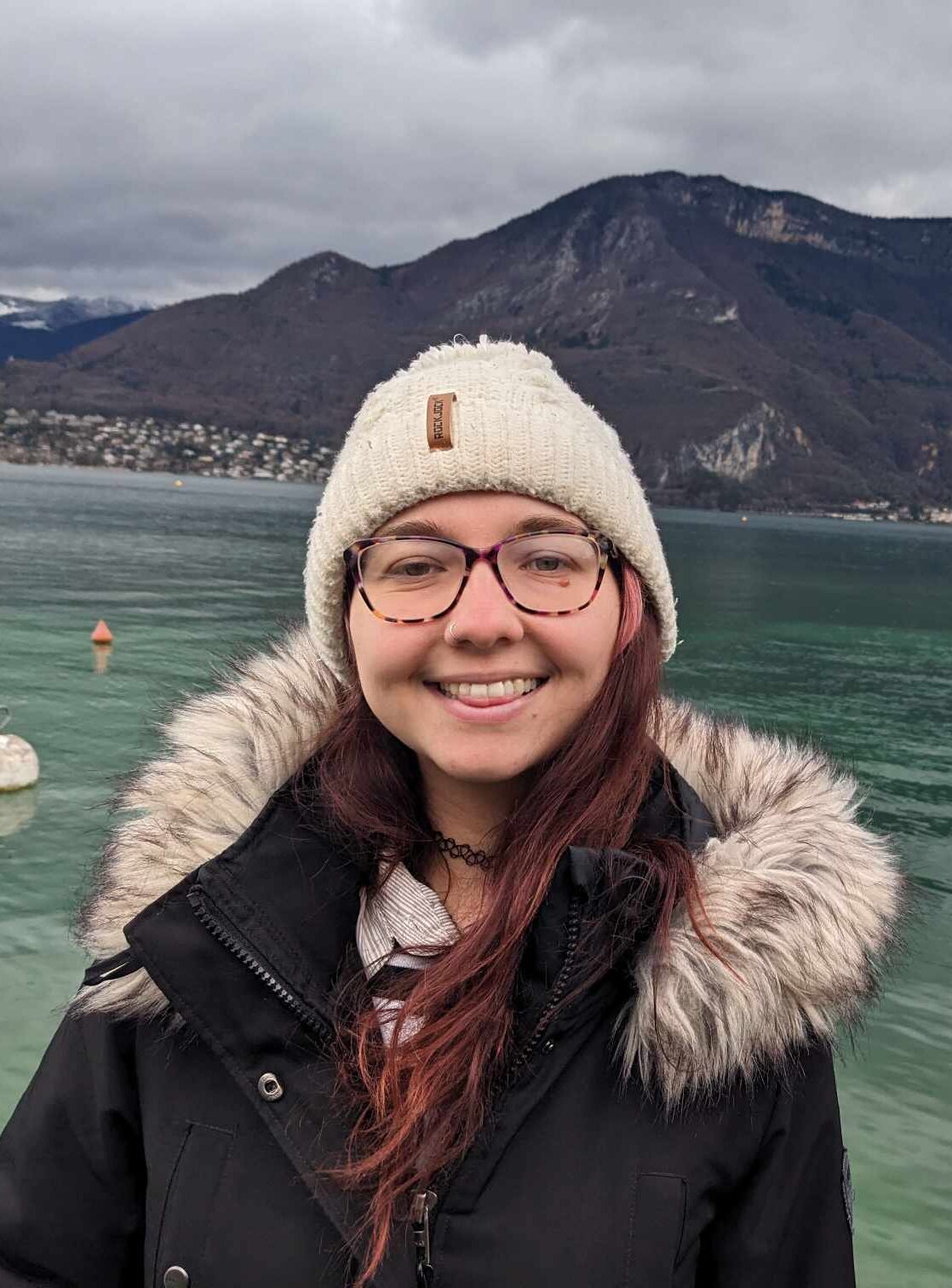
Romana obtained an integrated masters in Mathematics from the University of Exeter, before she completed her PhD in Digital Health at the University of Bristol. She has since remained at the university for two years working as a postdoctoral researcher in the Digital Footprints Lab. Her research explores how we can use shopping data to understand patterns in individual and population health, with a focus on data linkage and longitudinal cohort studies.
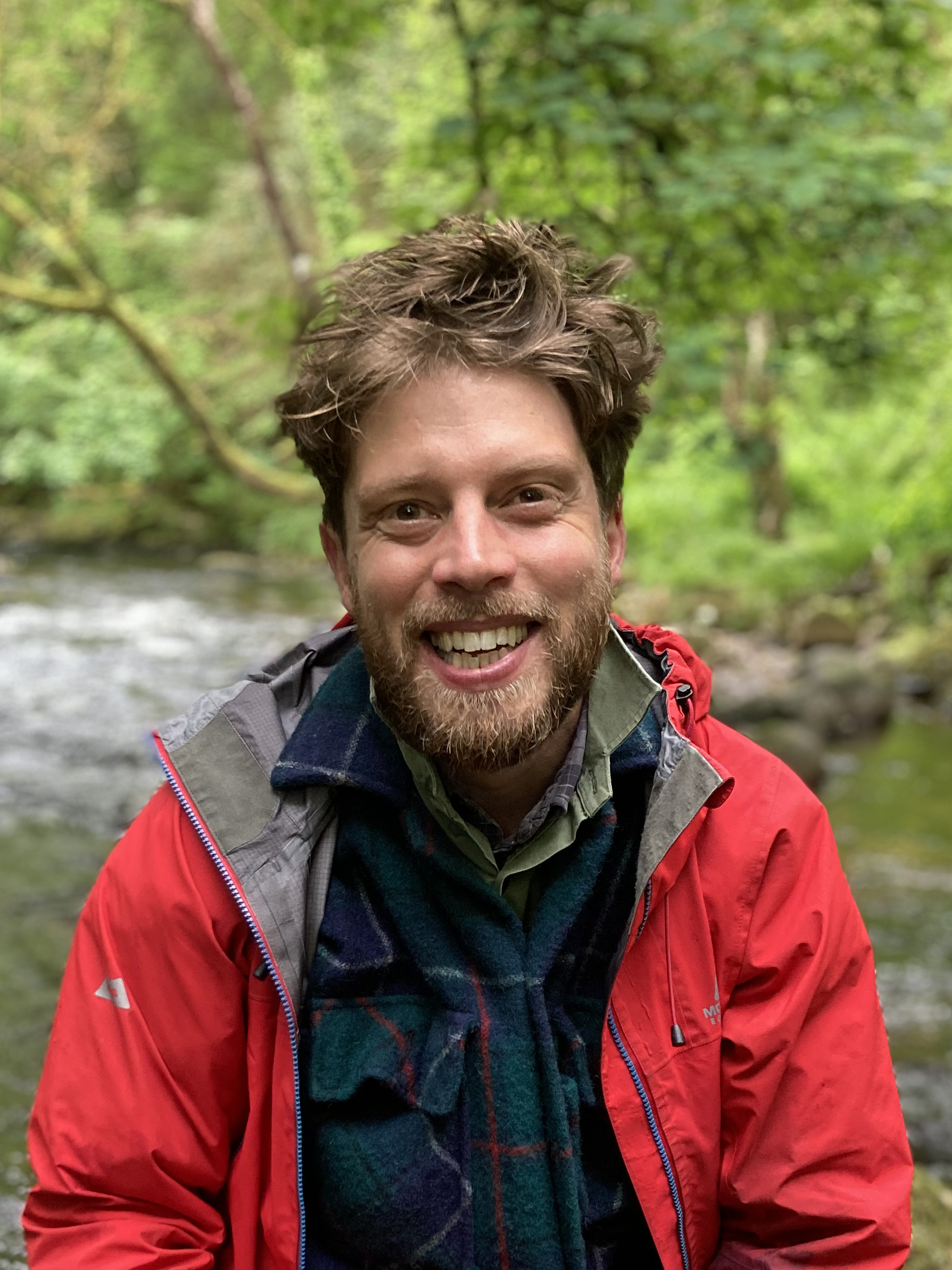
Joel is a Research Associate at the Welsh School of Architecture. He is a qualified architect, and before joining Cardiff full-time in 2024 spent 15 years working in leading architectural practices in England and Wales. His research focuses on developing design-led approaches to radically improve existing social housing, as part of the interdisciplinary Transforming Homes Project. Currently, he is working on the design and delivery of four ‘demonstration homes’ in Swansea, and on the development of a catalogue of transferable proposals suitable for the 1.5 million homes built by UK councils between 1920 and 1940. Joel is interested in the role of design-based approaches and creative thinking in interdisciplinary research, especially in addressing major global challenges for our built environment.
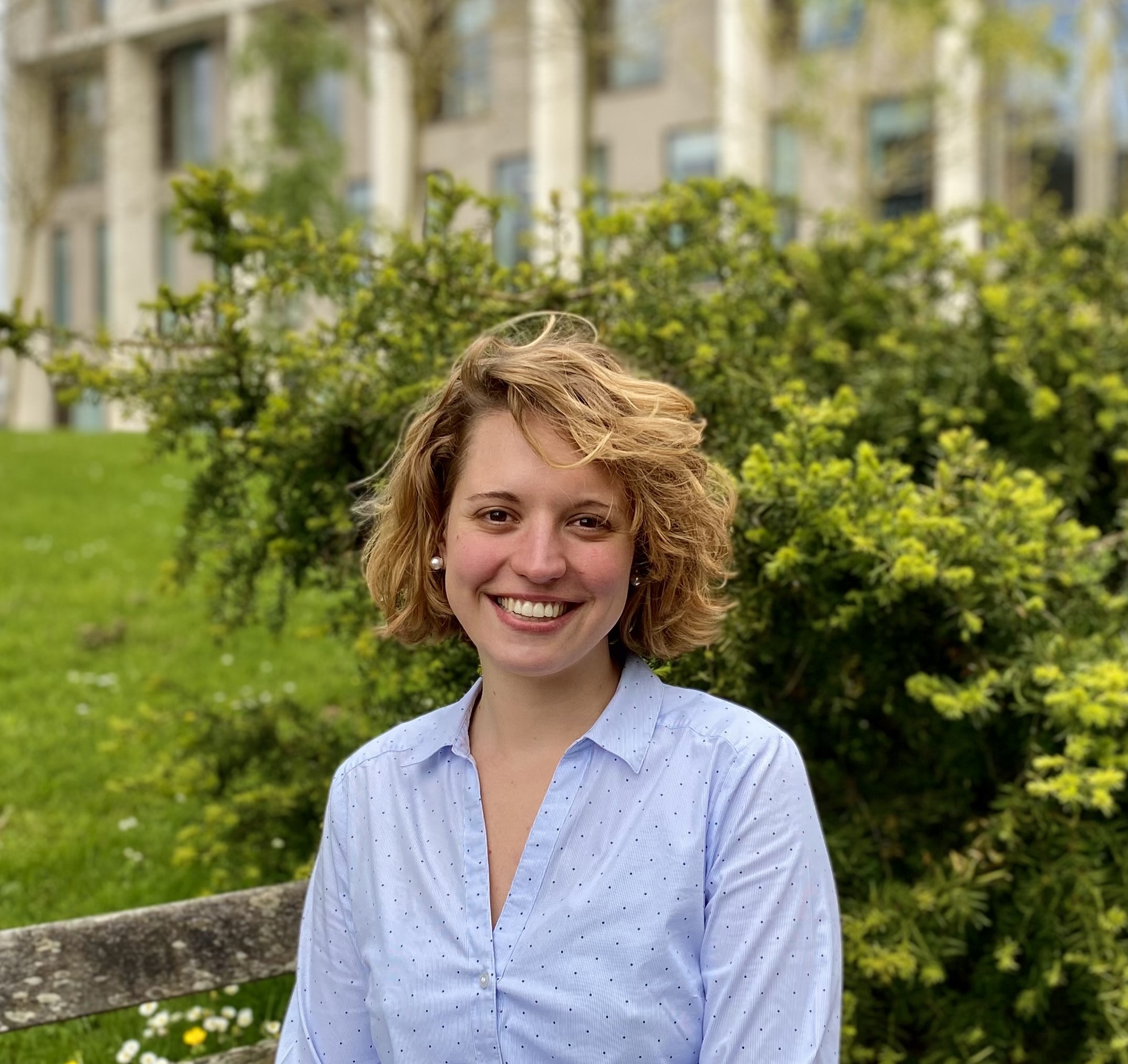
Anna Conzatti is a Postdoctoral Research Fellow in Energy, Housing, and Equity at the University of Exeter Medical School. Trained as an architect in Italy and holding a PhD from the University of Bath, her research explores how housing conditions and access to environmental and infrastructural resources shape health outcomes and inequalities. She specialises in mixed-methods approaches, combining building physics, monitoring, computational modelling, and household survey analysis. Anna has conducted research in Europe, Japan, and humanitarian settings, including a research visit at Tokyo City University where she investigated natural ventilation and occupant behaviour in temporary housing. She also developed SheltAir, a simplified airflow model for shelter design, currently being tested in Afghanistan. Her current work focuses on wider housing inequalities, cooling inequalities, and climate-adaptation pathways for residential environments.
Dr Nikoleta Daskoulidou is a Senior Postdoctoral Researcher at the UK Dementia Research Institute at Cardiff University and an expert in immune–brain interactions in Alzheimer’s disease. She leads innovative research investigating how complement dysregulation drives neurodegeneration and myelin pathology, integrating human brain tissue, cellular and animal models, and advanced imaging approaches. Her work resolved a longstanding debate in the field by definitively demonstrating expression of complement receptor 1 (CR1) in the human brain, identifying it as a promising therapeutic target in Alzheimer’s disease. Driven by the translational potential of her work, Dr Daskoulidou is committed to interdisciplinary collaboration, mentoring, and public engagement. Through GW4, she aims to develop ambitious cross-disciplinary partnerships that accelerate discovery and maximise impact in neurodegenerative disease research.
Jo is a Research Associate in Education at the University of Bath. Her research interests and expertise relate to the geographies of education, widening participation to higher education and education policy and social mobility. Her PhD (awarded 2023) examined the role of place in access to the UK’s elite universities for English-domiciled entrants. More recently she has contributed to two UKRI-funded research projects. The first of these explored the geography of labour market returns to Further Education. The second ongoing project – From the Centre to the Periphery – seeks to evaluate the UK government’s Opportunity Areas programme (2017-2022) which focussed on improving young people’s outcomes in 12 social mobility cold spots across England. Jo is committed to helping dismantle the spatial barriers to opportunity in the UK, using her research to inform policy and build more hopeful futures for young people.
Stephen Doliente is a Research Fellow at the University of Bath’s Institute of Sustainability and Climate Change (ISCC). His work spans sustainable energy and chemical technologies, with expertise in techno-economic analysis, life cycle assessment, material flow analysis, supply chain optimisation, productivity analysis, and whole-systems analysis. Originally trained as an experimentalist, he transitioned to computational research during his PhD to address systemic challenges in biomass-based, circular, and low-carbon solutions. Stephen’s postdoctoral experience includes UKRI-funded Supergen Bioenergy Hub, VKRF-funded C-THRU (Carbon clarity in the global petrochemical supply chain), and The Gatsby Charitable Foundation-funded fine chemicals innovation analysis projects, where he developed tools and insights for decarbonising/defossilising chemicals and improving industry competitiveness. He is now building an independent research programme on sustainable systems at ISCC and is keen to initiate interdisciplinary collaborations in areas such as biomass-to-chemicals conversion, plastic waste upcycling, critical minerals recycling, and carbon dioxide utilisation.
Claudia Firth is a Senior Research Associate in the Business School at the University of Bristol, working on the cross-university research project Fair Creative Economies. Her work is situated in the interstices between Cultural Studies, Political Economy, and Organisation Studies. She is interested in different modes of organising, including mutual aid, grassroots self-organisation and critical pedagogy; and economy understood as exchange, negotiation, and livelihood. Her research has included work on commons, co-operatives, reading groups and listening as a mode of organising. Recent and forthcoming publications include articles on political organisation, mutual aid and technology, and neoliberalism in the current conjuncture. Claudia is also an experienced facilitator, working across the cultural and activist sectors.
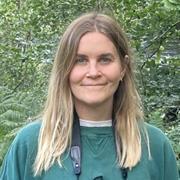
Miranda Geddes-Barton is an NIHR-funded Clinical Lecturer at the University of Exeter. She completed her medical degree at the University of Edinburgh before undertaking her Foundation Training and beginning her Obstetrics and Gynaecology training in South London. She holds a Diploma in Tropical Medicine and Hygiene from the University of Glasgow and a Master’s in Biomedical Ethics from the University of Leeds.
Miranda was subsequently awarded MRC funding to complete an MSc in Global Health Science and Epidemiology at the University of Oxford, where she went on to complete a DPhil using routinely collected health data to investigate the relationship between social disadvantage and severe maternal morbidity in the National Perinatal Epidemiology Unit.
In her current role, she uses Mendelian randomisation to explore causal associations between health-related behaviours and reproductive health outcomes. Her research interests include health justice, health data analytics, and sustainability.
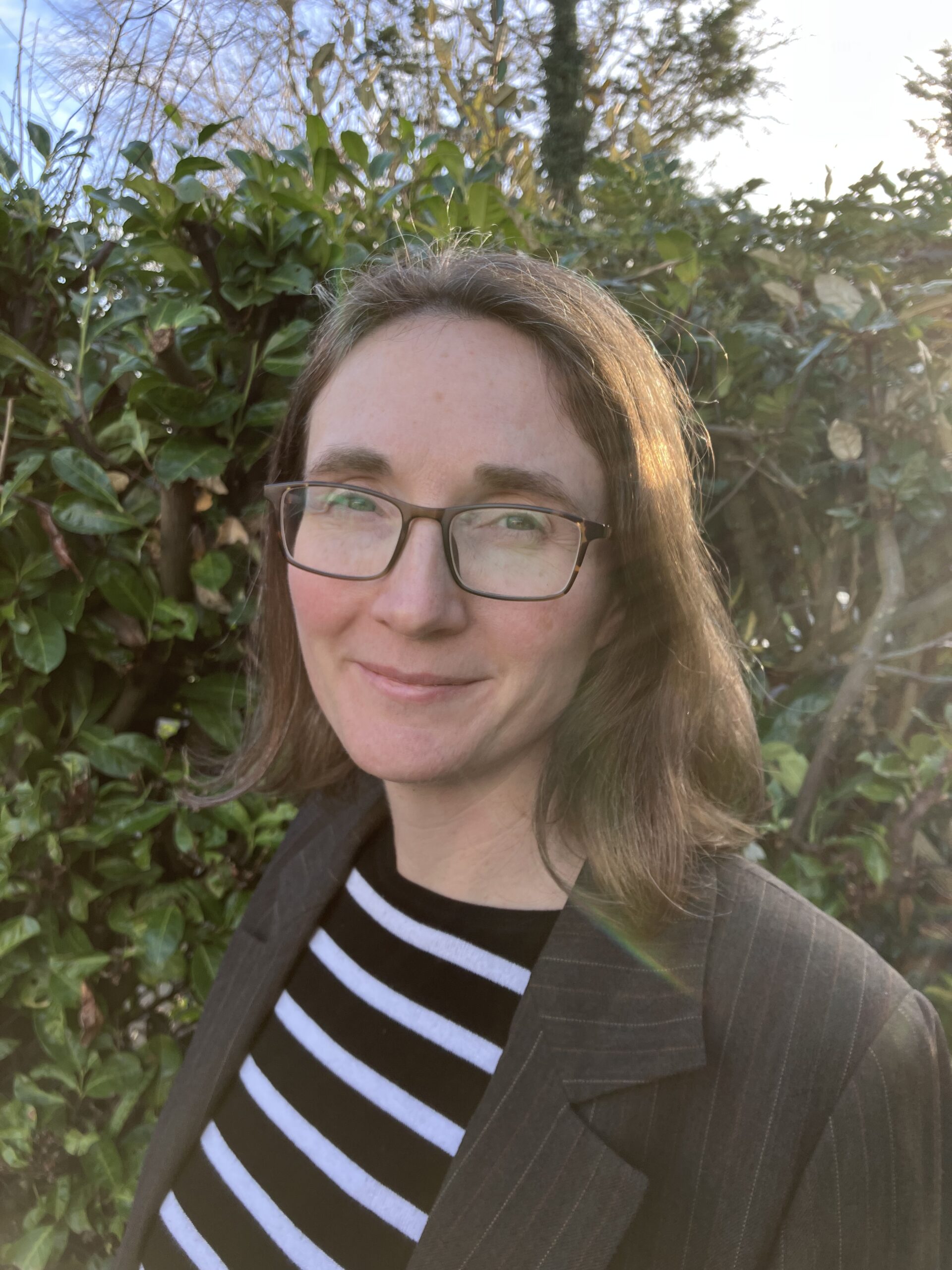
Jenny obtained her BA in Politics and Modern History and MA in Political Development at the University of Manchester and went on to complete her PhD in Marine Environment Governance at the University of Newcastle. Jenny subsequently worked for several years in health politics and policy at the University of Bath, and in impact and environment at the University of Bristol. She is now Research and Impact Fellow in Geography at the University of Exeter, working as part of the ACCESS network (https://accessnetwork.uk/). Jenny is currently evaluating a framework for integrating principles of equality, diversity and inclusion, environmental sustainability and knowledge co-production in research practice. For the future, she is keen to develop a new interdisciplinary research agenda at the intersection between environment and health, focused on nature reserves as mutual spaces for human and more than human recovery.
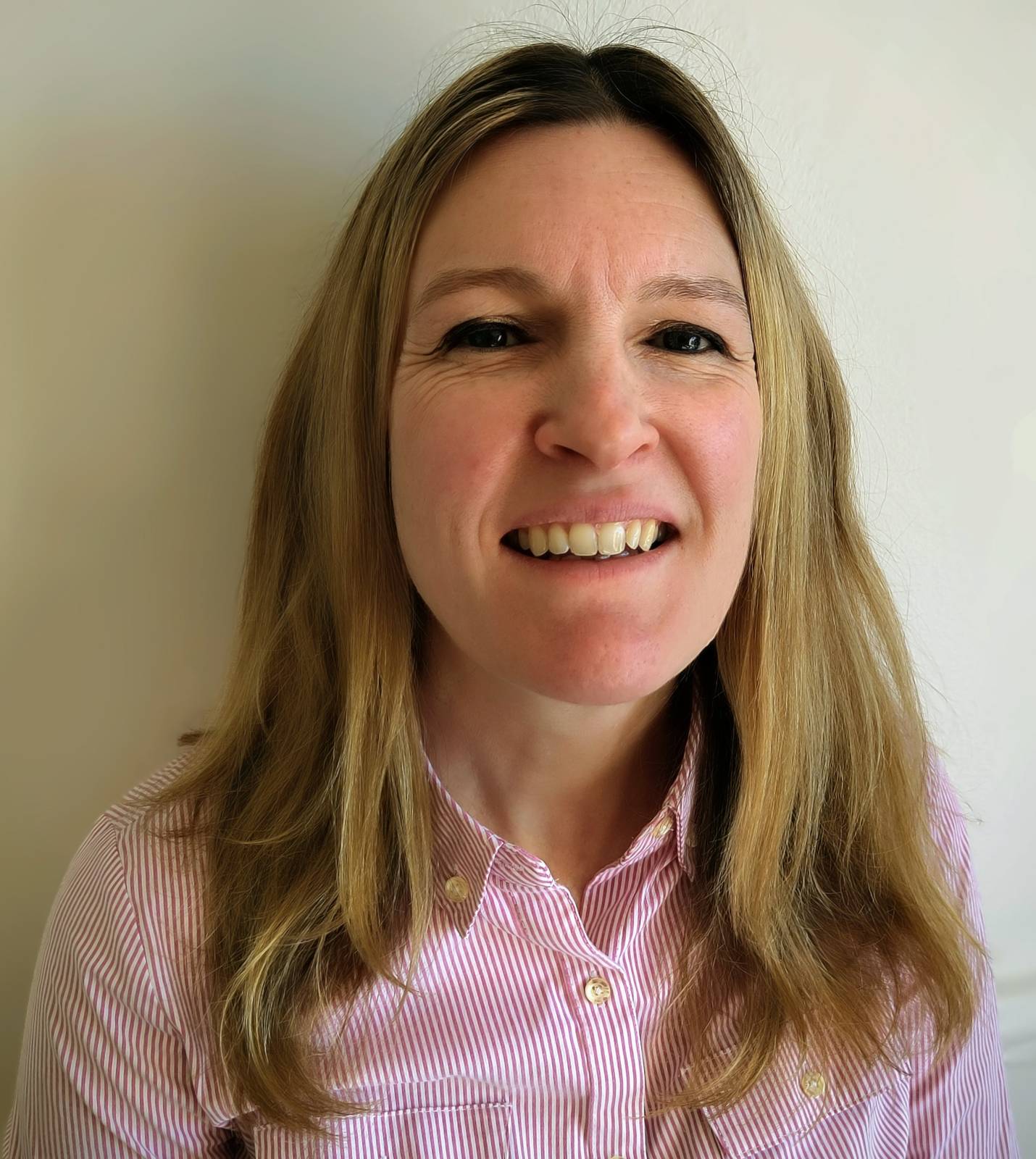
Isobella is a translational diagnostics researcher at Cardiff University, working at the interface of molecular biology, clinical need and innovation. She holds a Health and Care Research Wales Advanced Fellowship, where her research focuses on developing RNA-based liquid biopsy diagnostics using extracellular vesicles, with applications in prostate cancer and infectious disease.
Her career path spans infectious disease research, cancer diagnostics, clinical trials and research management, giving her a broad perspective on how discoveries move from laboratory to clinic. She has led the development of RNA assays designed for real-world implementation, including diagnostics for use in resource-limited settings, and is now applying this translational approach to cancer biomarker discovery and validation.
Isobella is motivated by building collaborative research programmes and supporting environments in which interdisciplinary teams can translate complex science into meaningful health impact.

Nina Jacob is a Research Fellow at Cardiff University working at the intersection of medical sociology, implementation science, and applied health and social care research. She spent ten years at the Centre for Trials Research, where she brought sociological perspectives into trials methodology and developed extensive expertise in process evaluation.
Her work has focused on understanding how complex interventions are delivered and experienced in real world settings, with particular attention to organisational context, professional practice, and the gap between intervention design and delivery. She has valued the opportunity that process evaluations offer to work closely at the research and practice interface.
Nina is now based in the Centre for Adult Social Care Research, where she is applying this lens to adult social care. Her current work explores how policy, workforce conditions and lived experience shape implementation and sustainability in care settings.
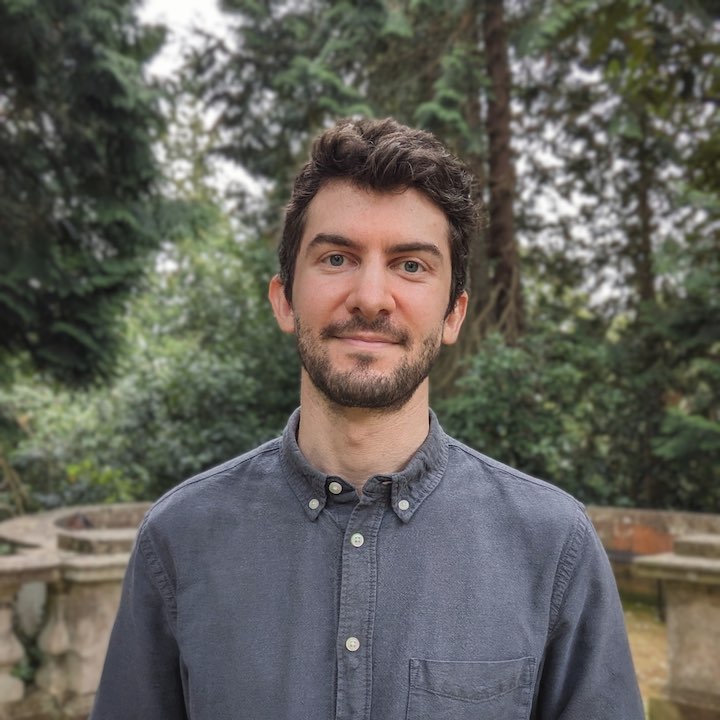
Charlie is a Research Fellow in the University of Exeter’s Institute for Data Science and AI, where he supports academics across the University to tackle data-scientific research problems in their own domains. Charlie also maintains his own research area in the development of high-fidelity probabilistic geological mapping systems, which he believes will be instrumental for achieving a future in which humanity and nature can sustainably co-exist by enabling precise and globally-well-thought-out decisions to be made regarding how we obtain resources, develop infrastructure, and mitigate hazards while maximally preserving environment and climate. Charlie joined the University of Exeter for his PhD in mathematics from 2018-2022, working at the interface of probabilistic AI, weather forecasting, and environmental modelling in partnership with the Met Office. He previously obtained his geology MESci in 2012 from Cardiff University before working for six years in industry.
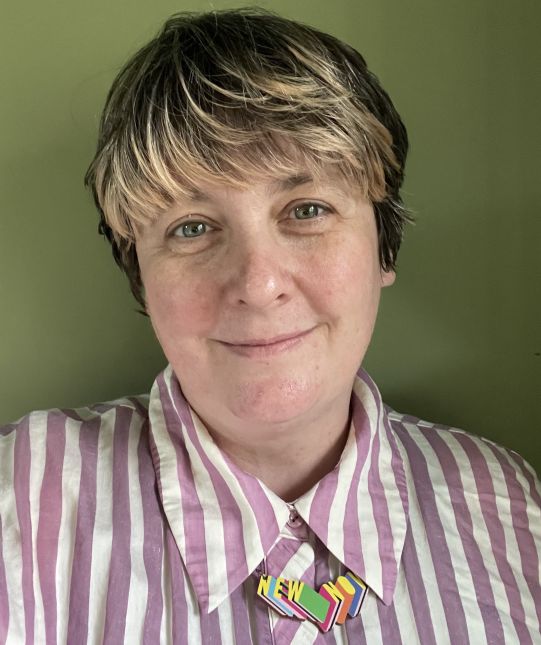
Vivienne Kuh is a creative futurist working as a Lecturer in Responsible Innovation with Aerosol Science and Engineering Biology at the University of Bristol. She is interested the collaborative imagining of better and more flourishing futures for people and planet, as a critical jumping off point for reflection on contemporary practices and values. To support this, her practice focuses on creating projects, spaces, methodologies and cognitive scaffolding to support the critical, collaborative societally engaged imagining of futures. At present she is particularly interested in the futures of scientific practice in the age of AI.
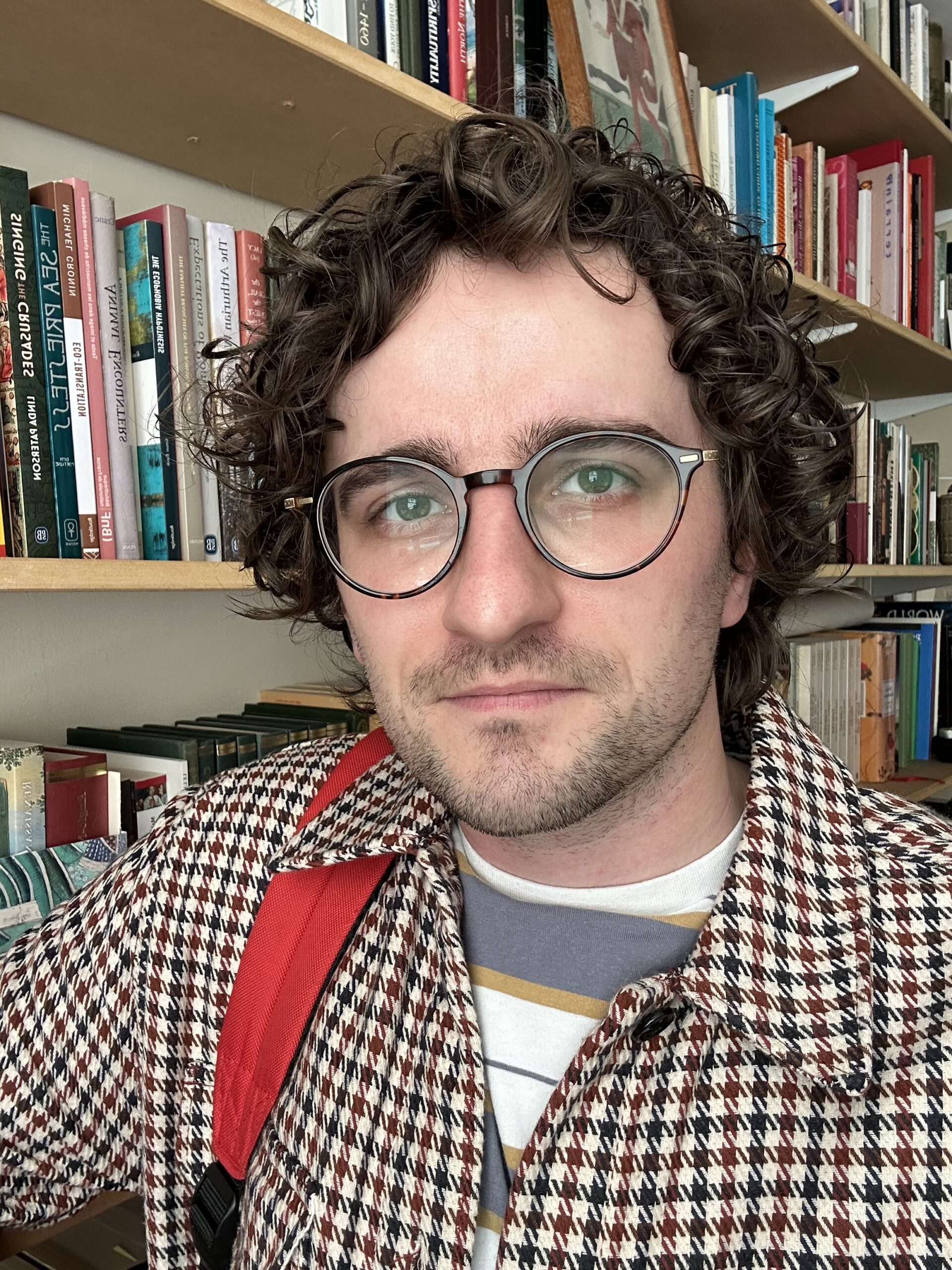
Liam has a PhD in French Studies from the University of Warwick (2019), and he is Lecturer in English Literature at Cardiff University, where he teaches medieval literature, sound studies and ecocriticism. He also works on the reception of medieval ideas and folklore in contemporary culture. Before joining Cardiff in 2024, Liam was a Research Fellow in Animal History and Animal Studies on the UKRI-funded Box Office Bears project at the University of Nottingham, working with zooarchaeologists, professional wrestlers and theatre practitioners to examine historical practices of using animals in entertainment. In 2023 he was on a sustainability placement at the French national library, the Bibliothèque nationale de France, in Paris. His future projects include collaboration with community groups and neuroscientists working on access to treatment developments for neurodegenerative diseases.

Rustam is a researcher in financial crime and regulation at Cardiff University, working at the intersection of law, economics, and quantitative modelling. His research focuses on insider dealing enforcement, financial sanctions, and regulatory decision-making under uncertainty. He develops original analytical frameworks that combine doctrinal analysis with empirical methods, including regression analysis and non-additive modelling, to examine how timing, discretion, and mis-measurement shape deterrence in practice. His work challenges conventional assumptions about enforcement severity and proportionality, treating sanctions as dynamic regulatory signals rather than static legal outcomes. Alongside his research, Rustam has teaching experience in financial crime, finance law and corporate law and is committed to translating complex ideas into accessible forms for students and wider audiences. He is particularly interested in interdisciplinary collaboration and creative methods that strengthen the real-world impact of legal research.
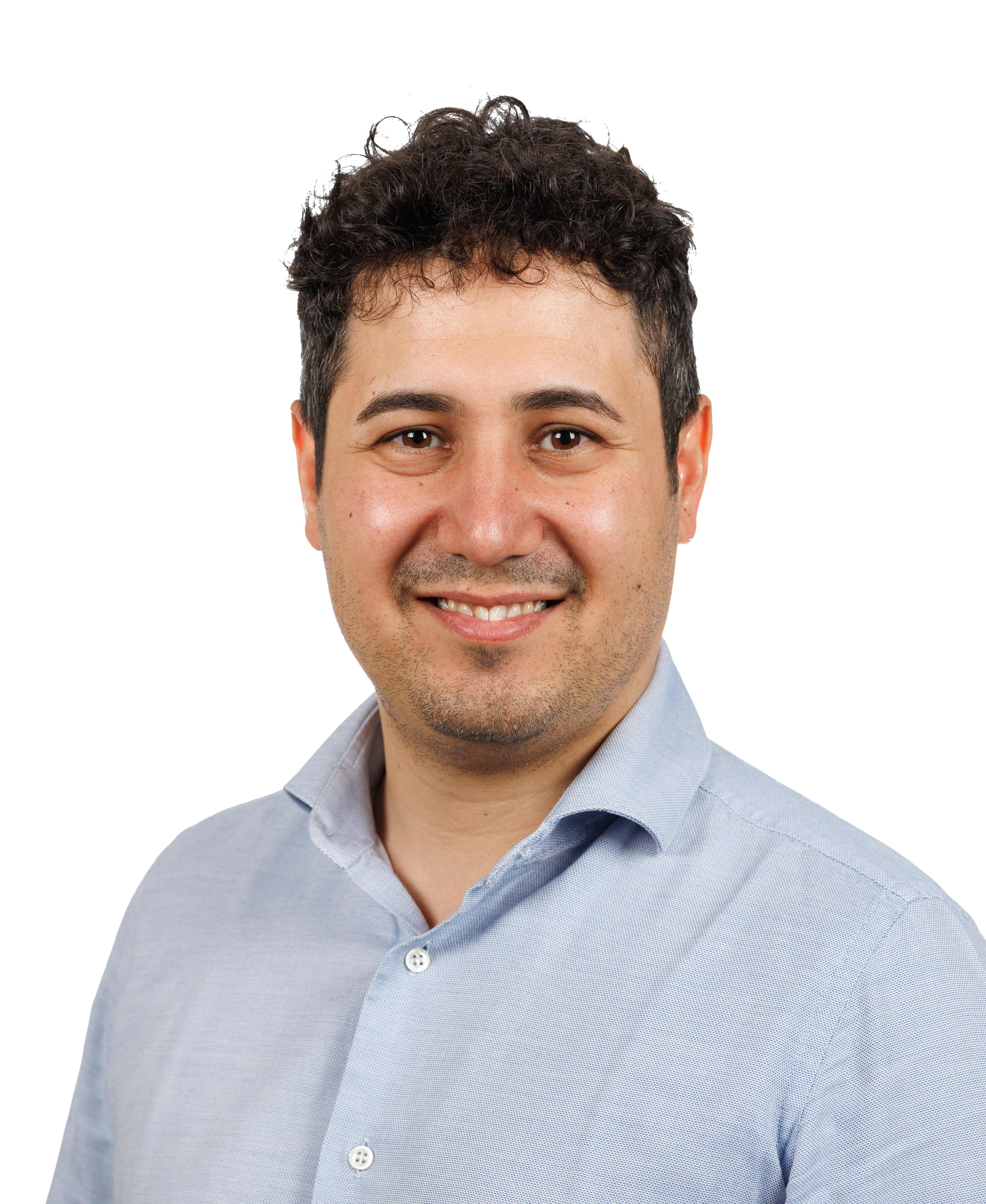
Lorenzo graduated in Physics and Astrophysics at the University of Florence and completed his PhD in Astronomy and Astrophysics at Sapienza University of Rome, where he contributed to the early preparation of ESA’s Ariel mission. He later moved to the United Kingdom and is now a Postdoctoral Research Associate in the School of Physics and Astronomy at Cardiff University.
His research spans the development of performance simulators for next generation space observatories and balloon missions, including Ariel and EXCITE, as well as atmospheric characterisation and population level studies of exoplanets. He has also collaborated on international machine learning data challenges in exoplanet spectroscopy, working with research groups across Europe and the United States.
Lorenzo is strongly committed to improving public understanding of space science and to highlighting the essential role that technical, modelling and analytical work plays in enabling major astronomical missions. His broader aim is to help bridge instrument development and scientific discovery, making the field more accessible to students, researchers and the wider public.
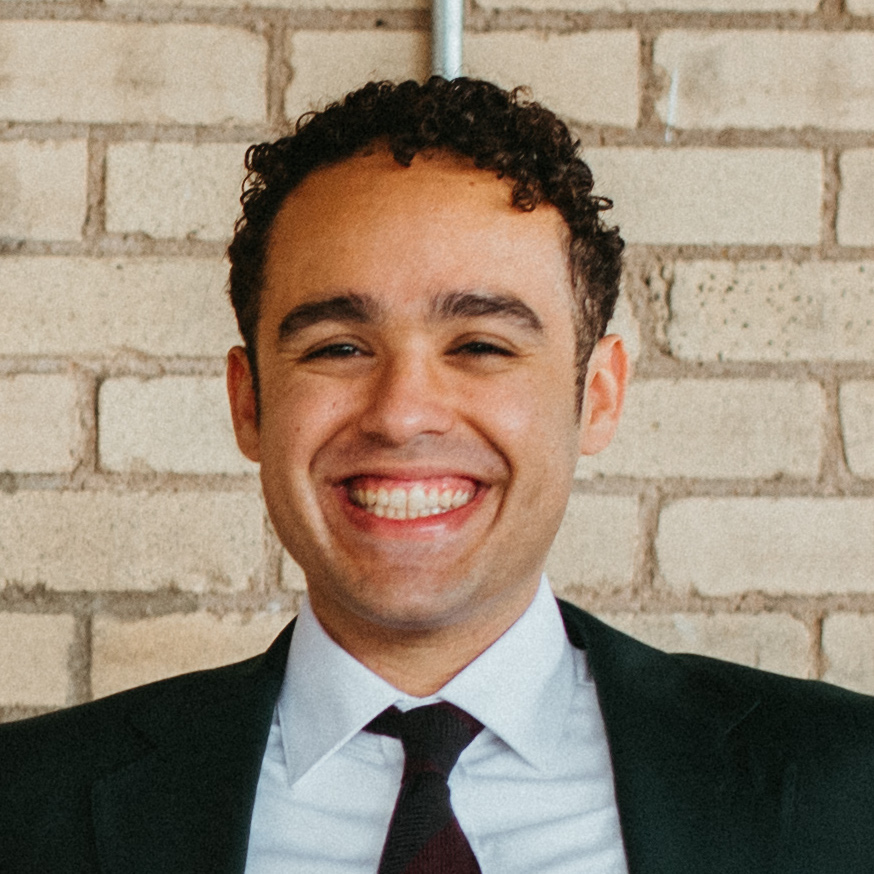
Omar obtained his BSc degrees in Physics and Applied Mathematics at the University of North Carolina at Chapel Hill and continued on at Gillings School of Global Public Health for his MSc in Environmental Engineering. After five years, he completed a PhD in Mechanical Engineering at the University of Colorado Boulder where he explored how anthropogenic activities affect atmospheric composition. Most recently, he is investigating how air pollution control and climate mitigation could be designed to ensure that the global health burden of poor air quality is ameliorated equitably. Omar is very interested in understanding how climate change and climate policy could affect global air pollution and public health.
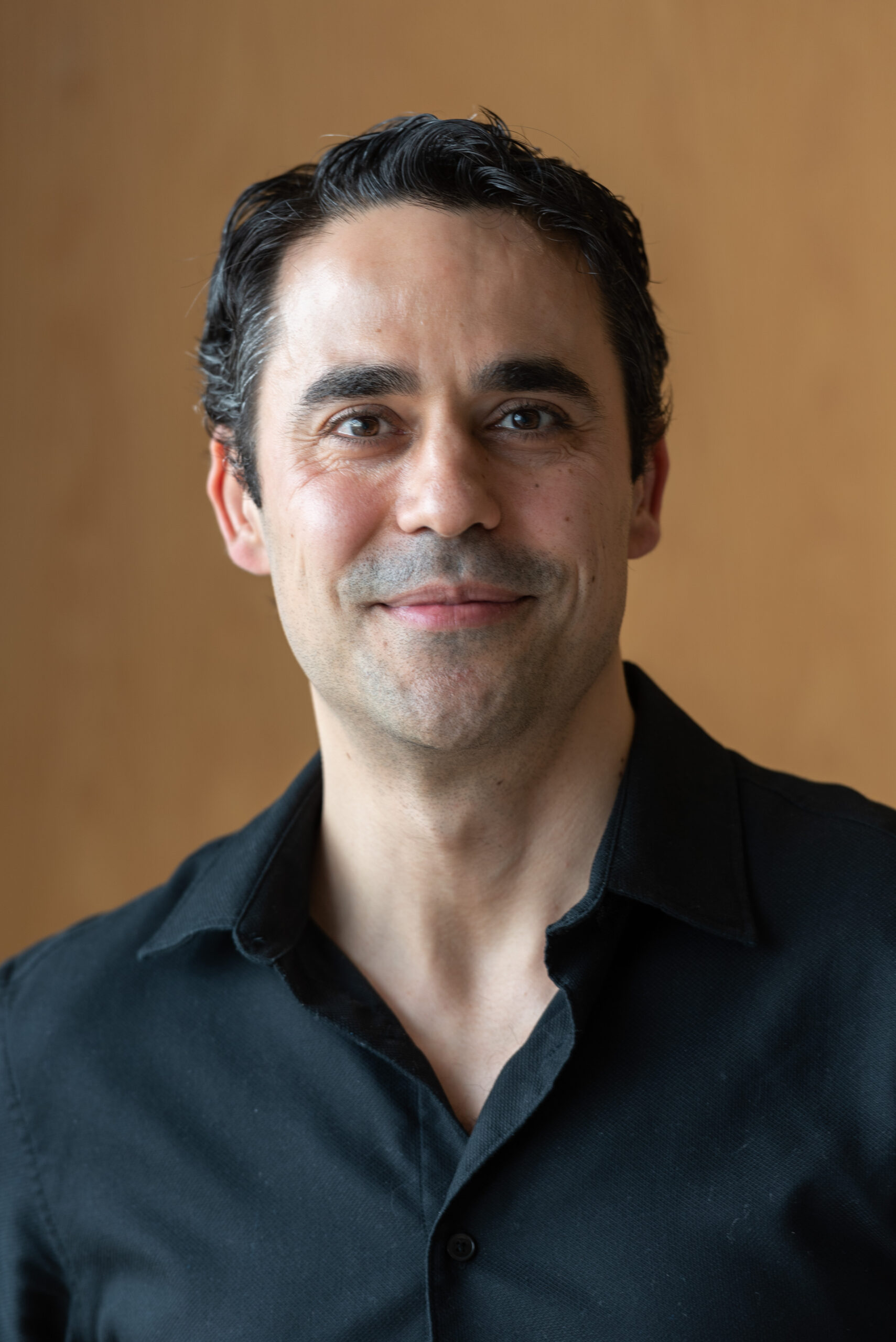
Through his research, Kinan is always on active inquiry trying to answer: Does migration have to remain a polarising public issue? He explores the possibility of a future in which the categories “refugee” and “migrant” become obsolete; not because displacement ceases, but because mobility and protection are recognised as normal, humane aspects of life.
Kinan is a Lecturer in Human Geography at the University of Exeter, with a background in sociolinguistics and qualitative methodology. His research seeks reframing Migration through analysing how migrant narratives are constructed and circulated (from political discourse to the media) and to collaboratively co-produce new narratives with migrants themselves. Ultimately, his research moves beyond crisis-driven or overly sympathetic portrayals of migration, towards a framework of co-authored futures where integration is reimagined as a collaborative process of societal storytelling.
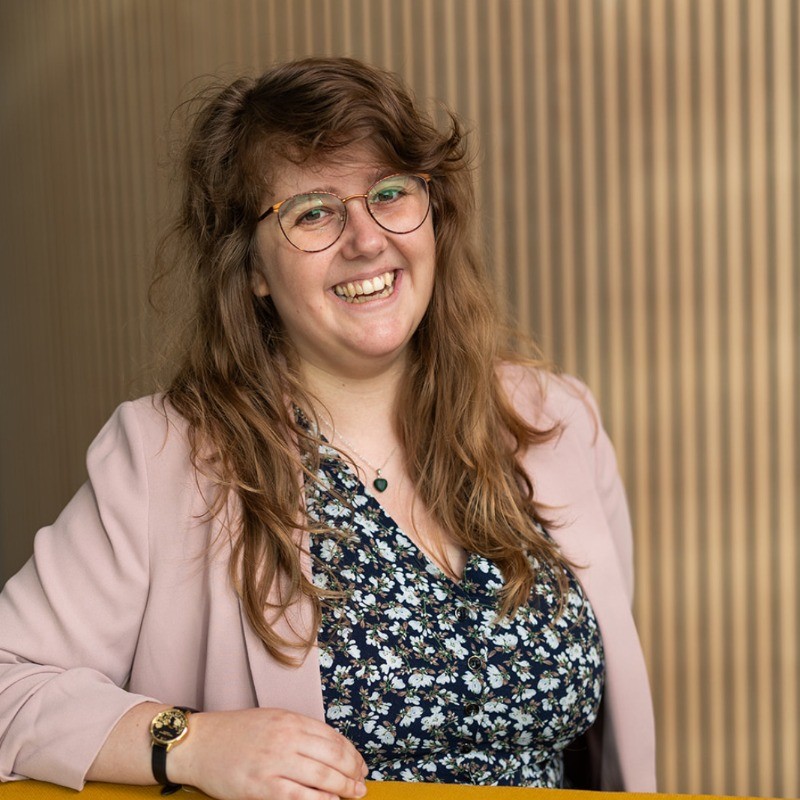
Dr. Annayah M.B. Prosser (she/her) is an Assistant Professor in Marketing, Business and Society at the University of Bath School of Management. She is an interdisciplinary social scientist, with training in social psychology, qualitative research methods, and environmental social sciences. Her primary research interests explore the interpersonal dimensions of ethics, identity, and advocacy. She also has a wide interest in methodological innovations and open science, particularly with regards to advances in qualitative methods, and is currently the deputy director of the Centre for Qualitative Research at Bath. Annayah is interested in how organisations, policy makers and activists can help to promote societal change towards more sustainable and equitable futures. She has worked with a number of governmental and non-governmental organisations, and is always looking for new opportunities to collaborate and bridge the gap between academia, organisations and the public.
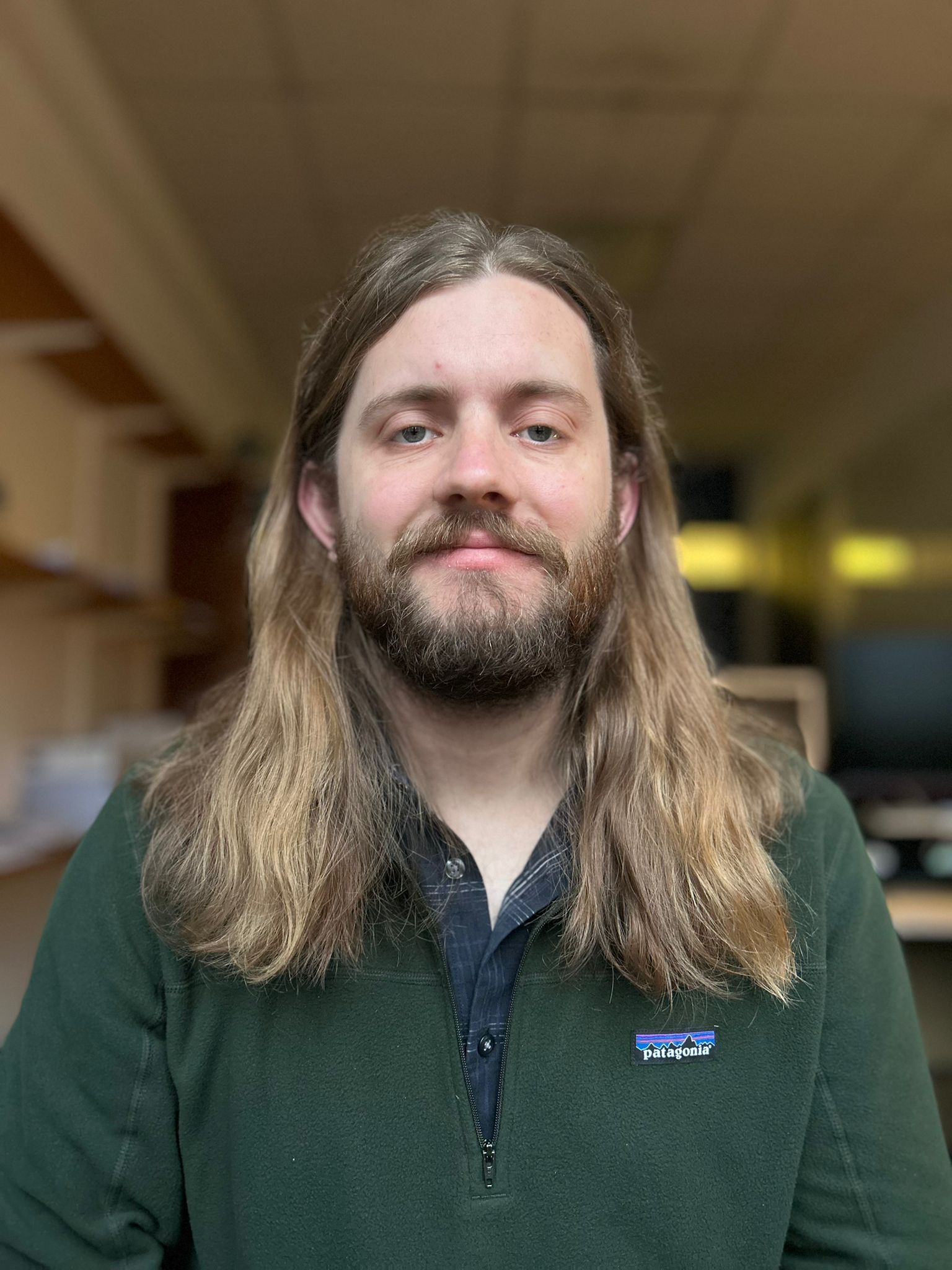
Evan obtained his MMath degree in Mathematics at Cardiff University, before completing a PhD in Civil Engineering at the same institution. Shortly after completion, he began as a Lecturer where he leads modules on finite element theory and practice. His current research centres on developing numerical methods for modelling heterogeneous materials, with particular emphasis on porous media. This work integrates finite element methods, random field theory, plurigaussian simulation, and scientific machine learning to capture material variability and enhance predictions of material behaviour under varying stimuli. Evan has published on topics ranging from stochastic unsaturated flow in soils to machine learning applications in self-healing cementitious materials. He is passionate about advancing computational approaches that bridge mathematical rigour with practical engineering applications, a commitment reflected equally in his teaching, and welcomes interdisciplinary collaboration.
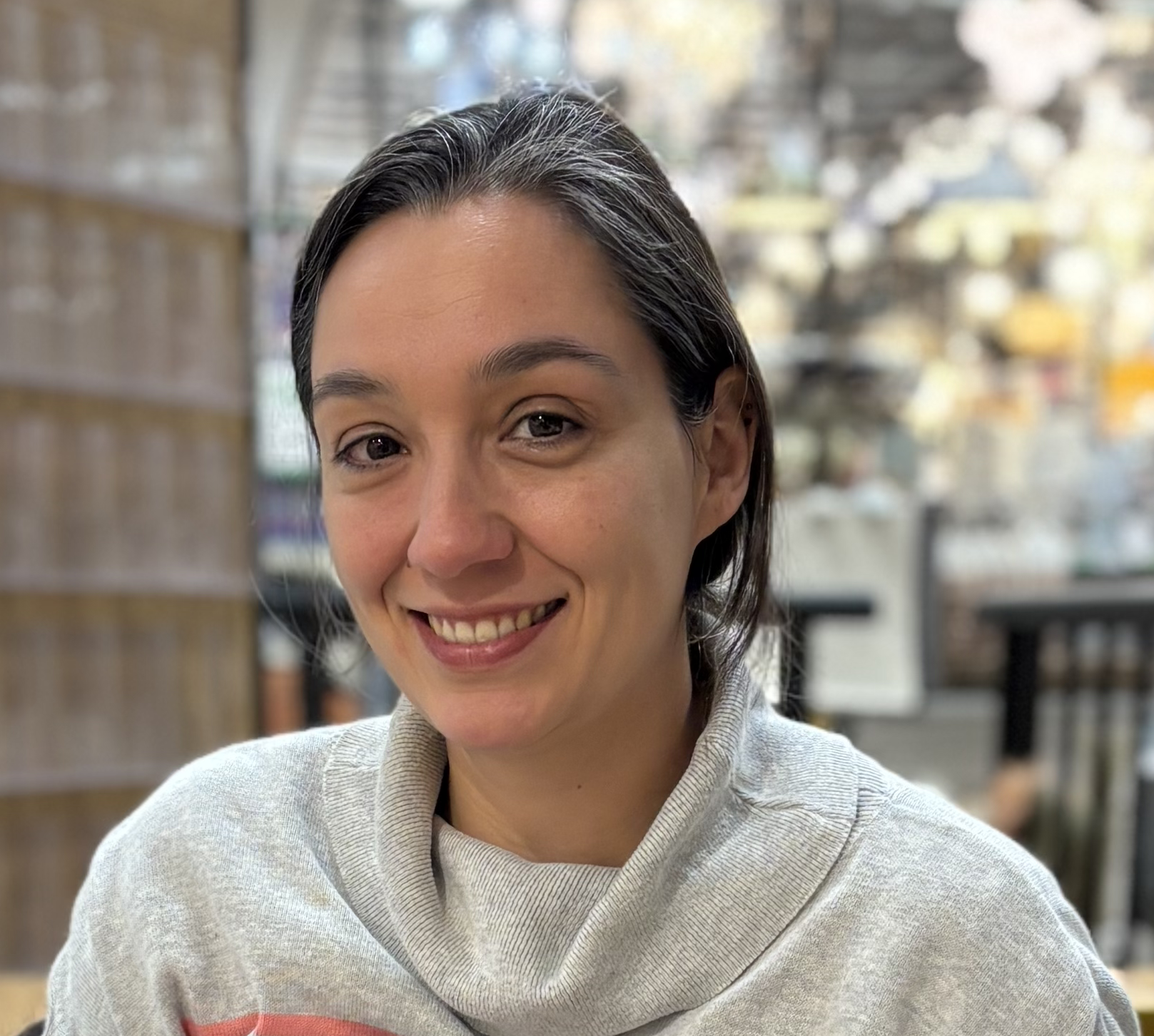
Patrícia obtained her undergraduate degree in Biochemistry in Portugal before completing a master’s in Biotechnology, which first sparked her interest in molecular mechanisms of disease. She moved to Wales in 2014 to undertake her PhD at Cardiff University and is now a Research Associate in Bioinformatics within the UK Dementia Research Institute. Her current research focuses on applying long-read sequencing and transcriptomic approaches to investigate complement genes implicated in Alzheimer’s disease, with a particular interest in immune and metabolic interactions.
She works closely with colleagues across genomics, neuroscience and computational biology, and is committed to developing reproducible analytical workflows and making complex genomic methods more accessible. Patrícia is especially keen to foster interdisciplinary collaboration and to improve communication between data-driven research and biological understanding in neurodegeneration.
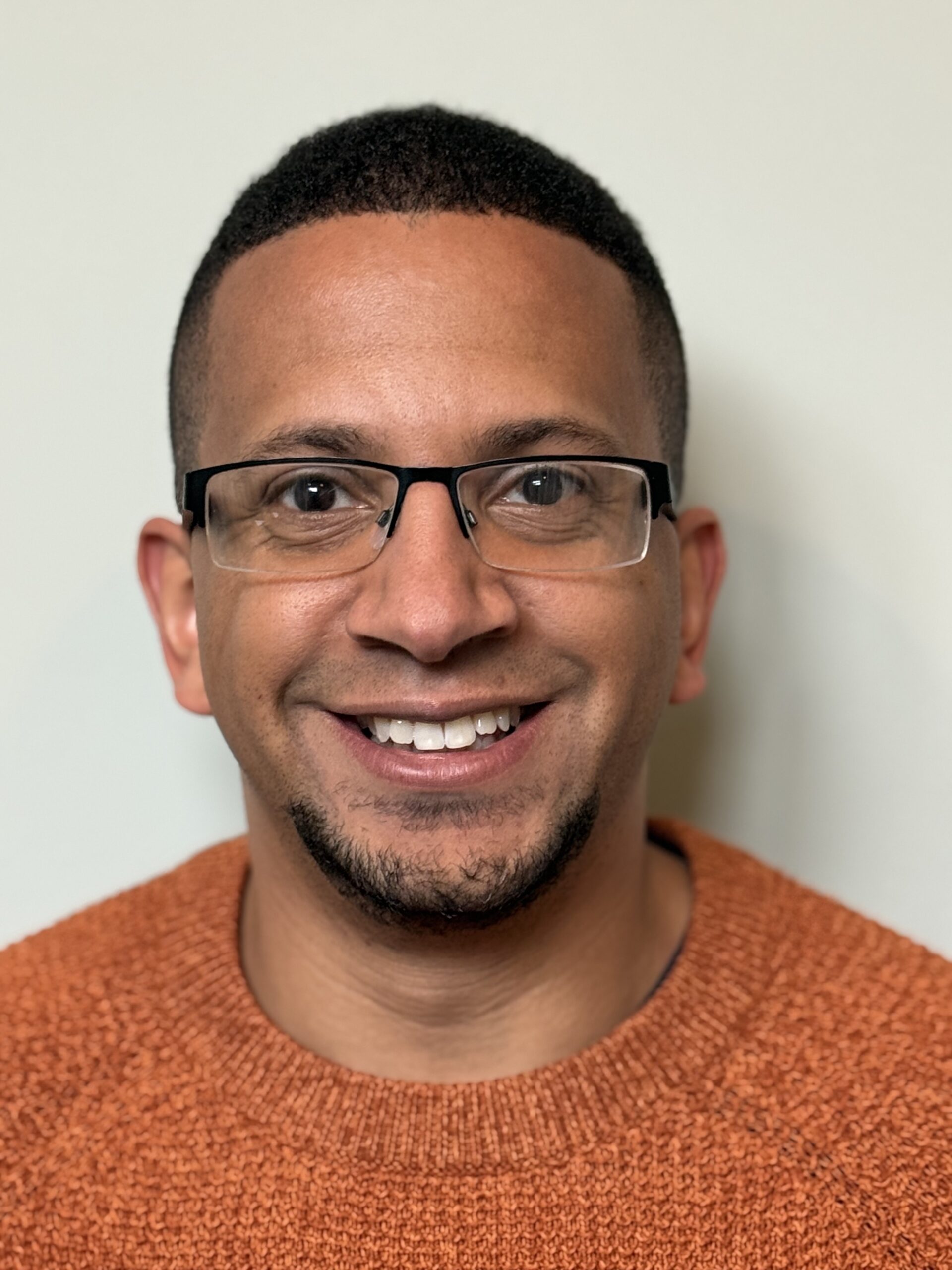
Leigh is a clinician-researcher specialising in infectious disease epidemiology, primary care, and antimicrobial resistance (AMR). His research centres on recurrent urinary tract infections (UTIs) and antimicrobial stewardship, combining electronic health record analysis, systematic reviews, and qualitative methods to address clinical uncertainty and support shared decision-making. Awarded a Health and Care Research Wales/NIHR Doctoral Fellowship in 2021, Leigh collaborates with public health agencies, academic institutions, and patient groups to ensure research is rigorous, inclusive, and translatable to practice. He is passionate about interdisciplinary collaboration to advance methodological innovation and improve healthcare systems. Through GW4 Crucible, Leigh aims to co-create strategies that tackle AMR and safeguard future health.

Yuchen completed his PhD in Electrical Engineering at Southeast University and is currently a postdoctoral research associate at the University of Bath. His research focuses on motor control, power electronics and advanced electric drive systems, with particular interests in cryogenic power electronics and superconducting propulsion technologies. He works across interdisciplinary teams and industry partners to develop reliable, high-performance electrical systems for transportation and energy applications. Yuchen is also committed to improving public understanding of emerging electrical technologies and their role in supporting sustainable and low-carbon engineering solutions. He looks forward to communicating the importance and necessity of superconducting technologies from a multidisciplinary perspective, including economic evaluation, environmental sustainability, social acceptance and policy considerations.
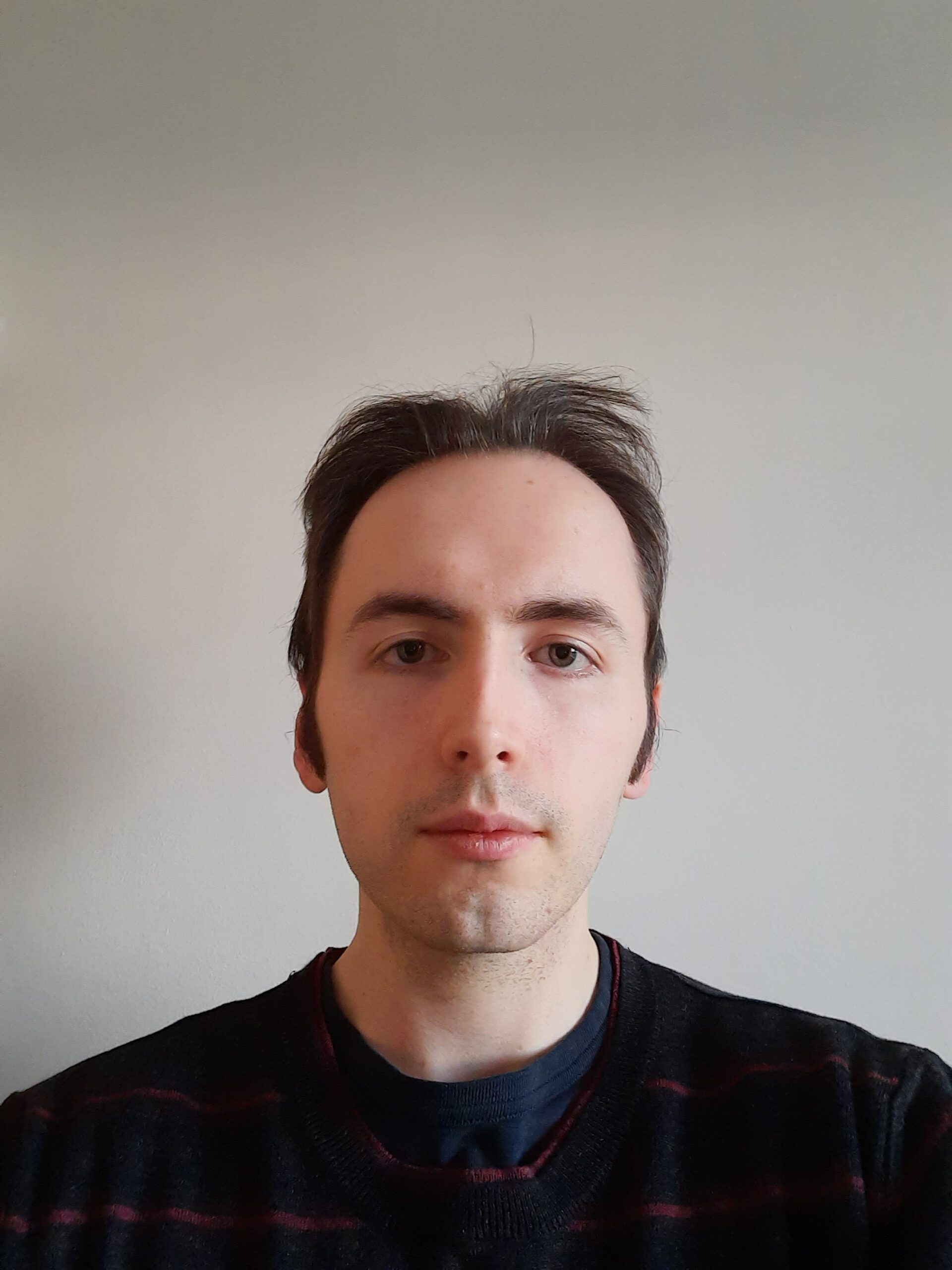
Michael is a post-doctoral research associate at the University of Bath, in association with the Hub for Quantum Computing via Integrated and Interconnected Implementations. His current research focusses on frequency conversion of photons in optical fibres for quantum information applications. His doctoral work was performed at the National Physical Laboratory, in association with the Max Planck Institute for the Science of Light and Heriot-Watt University. He has a diverse research background, which includes nonlinear dynamics and brain imaging. He is also very interested in understanding the cultural factors that influence how people use scientific research and technology, and is keen to foster discussions with experts in policy and science diplomacy in connection with this.

Phoebe Xu is a Lecturer in Sustainable Engineering at the University of Bristol, based in the School of Civil, Aerospace and Design Engineering. Her research sits at the intersection of engineering systems, human behaviour, and digital technologies, with a particular focus on how AI-enabled interventions can support decision-making, resilience, and sustainability in complex urban and infrastructural contexts. She works across disciplinary boundaries, collaborating with colleagues in engineering, computer science, social science, and health to develop integrated, impact-driven research. Phoebe has led and contributed to proposals across UK and European funding schemes and is actively involved in PhD supervision and interdisciplinary research development. She is especially interested in translating early-stage ideas into scalable external funding opportunities and real-world impact, and looks forward to engaging with the GW4 Crucible community to explore new collaborations, perspectives, and leadership practices.